

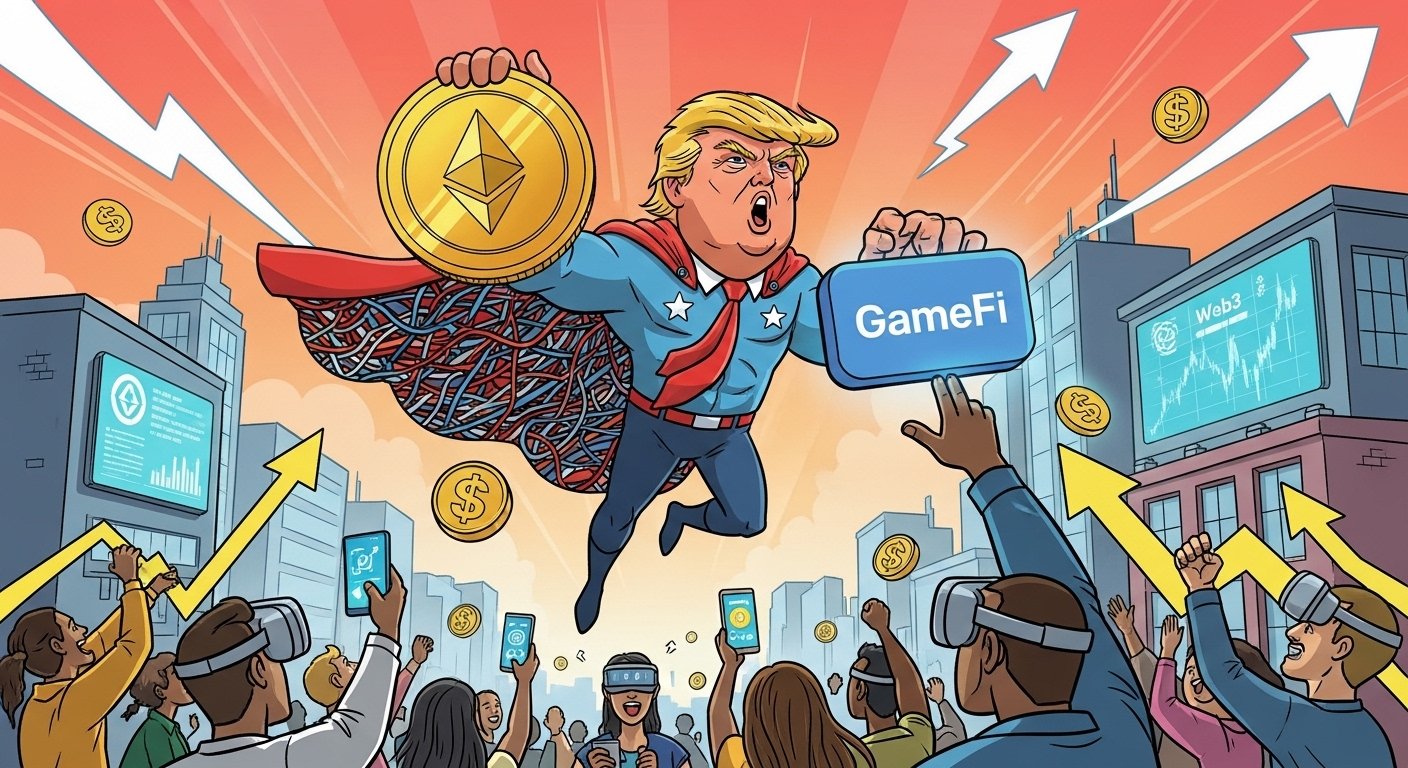
TRUMP GameFi Push Lifts Web3 Gaming Amid Crypto Dip the cryptocurrency market has always been known for its dramatic swings, sudden narratives, and unexpected catalysts. In recent months, the digital asset ecosystem has experienced renewed volatility, with major coins facing sharp corrections and investor sentiment shifting rapidly. Yet, even as the broader market cools, certain sectors continue to show resilience and growth. One of the most notable among these is GameFi, a segment that combines gaming mechanics with decentralized finance and blockchain technology.
In this evolving landscape, a new headline has captured attention: TRUMP’s apparent interest in the GameFi and Web3 gaming sector. The development signals a convergence of politics, digital assets, and entertainment technology, creating a fresh narrative during a period when many cryptocurrencies are struggling to maintain upward momentum. While the overall market may be facing dips, the rise of GameFi projects and renewed interest from high-profile figures is reshaping how investors and developers view the future of the blockchain economy.
The emergence of TRUMP-linked activity in the GameFi ecosystem reflects a broader trend in the crypto world, where narratives and personalities can drive adoption, speculation, and technological experimentation. As GameFi climbs the ranks among trending sectors, it is essential to understand the factors behind its growth, the role of influential figures, and the long-term implications for the crypto gaming industry.
TRUMP GameFi Push Lifts Web3 Gaming
The broader cryptocurrency market has entered a period of correction after extended rallies in major assets. Price pullbacks in flagship coins have triggered cautious sentiment among traders, with many investors rotating capital into emerging sectors that show potential for growth.
During these phases, narratives become critical. Crypto markets are not only driven by fundamentals but also by trends, community engagement, and technological innovations. As capital flows away from declining assets, investors search for opportunities in sectors that offer both innovation and strong community participation.
GameFi has emerged as one of these sectors. While traditional cryptocurrencies struggle with price stability, blockchain gaming tokens and related projects have gained traction. This shift demonstrates how innovation in the decentralized gaming economy can attract attention even during broader market downturns.
Understanding GameFi and Its Growing Influence
GameFi represents the fusion of gaming and decentralized finance. It allows players to earn rewards, trade assets, and participate in virtual economies powered by blockchain technology. Unlike traditional games where assets are controlled by developers, GameFi introduces ownership through NFT gaming assets and play-to-earn models.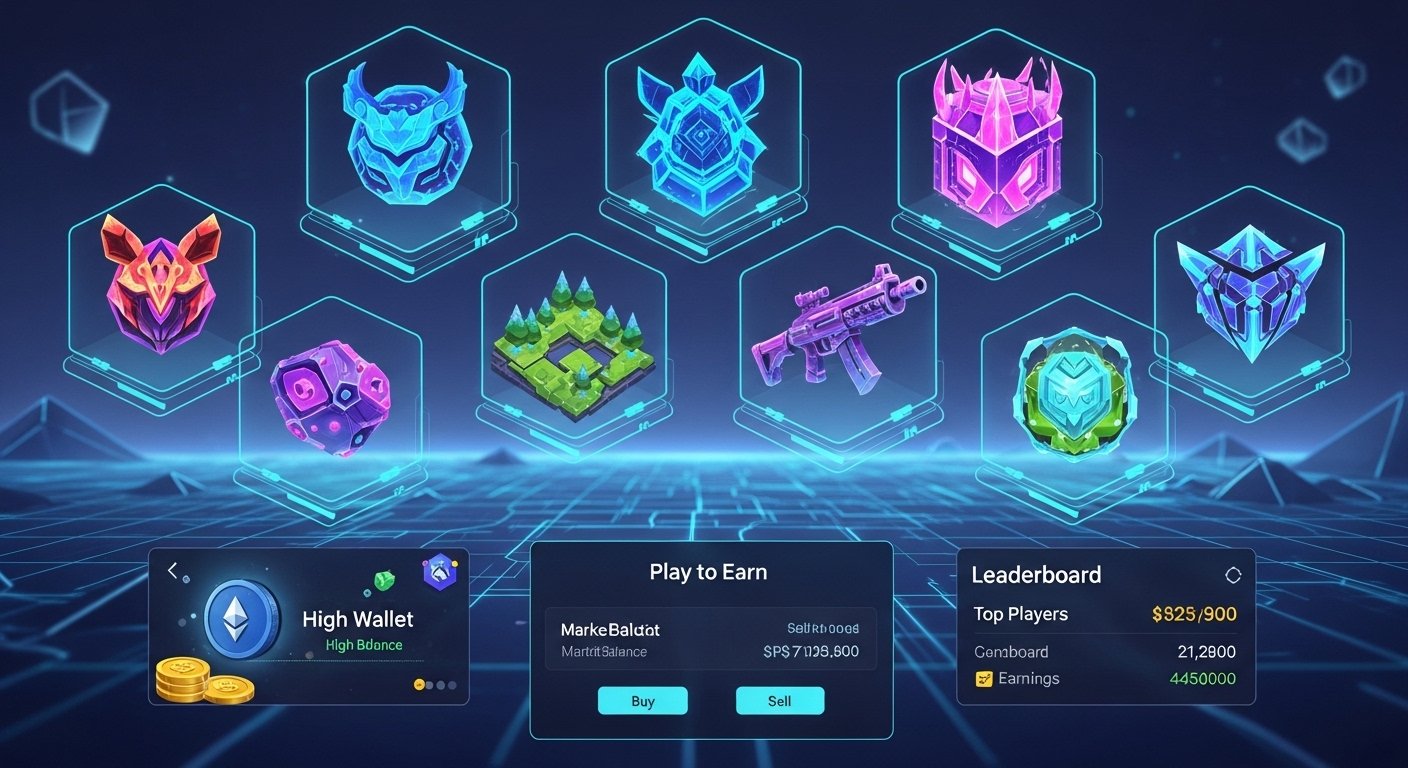
The concept gained widespread popularity during the last major crypto bull cycle, when play-to-earn games attracted millions of users worldwide. Although the sector faced challenges during subsequent market downturns, it has evolved significantly. Developers are now focusing on sustainability, improved gameplay, and more balanced tokenomics. Modern GameFi projects emphasize quality gaming experiences rather than purely speculative rewards. This shift is helping the Web3 gaming ecosystem mature and gain credibility among both gamers and investors.
TRUMP’s Entry Into the GameFi Narrative
The appearance of TRUMP-related activity in the GameFi sector has sparked conversations across the crypto community. Whether through branded tokens, partnerships, or promotional campaigns, the association of a globally recognized political figure with the blockchain gaming sector adds a new dimension to the narrative. In the crypto world, branding and personality-driven projects often gain rapid traction. The presence of a well-known figure can attract new users, generate media coverage, and bring mainstream attention to emerging technologies.
For GameFi, which already thrives on community engagement and viral trends, this kind of exposure can act as a catalyst. It introduces new audiences to the concept of crypto gaming platforms and encourages experimentation with decentralized applications. However, such developments also raise questions about sustainability, regulation, and long-term value. The success of any GameFi initiative ultimately depends on the quality of its gameplay, economic design, and community support.
Why GameFi Is Climbing the Ranks Despite Market Dips
While the broader crypto market faces downward pressure, GameFi continues to gain traction. Several factors explain this resilience.
The Appeal of Interactive Utility
Unlike many tokens that rely solely on speculation, GameFi projects offer interactive experiences. Players can engage with games, collect digital assets, and participate in virtual economies. This tangible utility gives play-to-earn gaming an advantage during market downturns.
When prices fall, users still have reasons to stay involved because they enjoy the gameplay or believe in the project’s long-term vision. This engagement creates more stable communities compared to purely speculative tokens.
Expanding User Base in Emerging Markets
GameFi adoption has grown significantly in regions where traditional employment opportunities are limited. In such markets, blockchain gaming rewards can provide supplementary income. This practical use case has helped GameFi maintain active user bases even during bearish conditions. As internet access expands globally, the Web3 gaming economy continues to attract new participants.
Improved Game Quality and Sustainability
Early GameFi projects often faced criticism for focusing more on token rewards than gameplay. Many of those models proved unsustainable once token prices dropped.
Today’s projects are taking a different approach. Developers are investing in graphics, storytelling, and competitive gameplay. This shift toward quality experiences is strengthening the reputation of the decentralized gaming sector.
The Role of High-Profile Figures in Crypto Adoption
The crypto industry has always been influenced by high-profile personalities. From tech entrepreneurs to celebrities and politicians, public figures can shape narratives and attract new audiences. When a recognizable name enters a sector like GameFi, it generates curiosity and discussion. New users may explore crypto gaming projects simply because they are associated with a familiar brand or personality.
However, the long-term success of such initiatives depends on more than celebrity appeal. The underlying technology, community trust, and economic sustainability ultimately determine whether a project thrives or fades away.
How Web3 Gaming Is Evolving Beyond Play-to-Earn
The concept of play-to-earn was revolutionary, but it also exposed weaknesses in early GameFi models. Many projects relied on constant user growth to maintain token prices, creating unsustainable economic loops. The next phase of Web3 gaming is focusing on more balanced ecosystems.
Play-and-Own Models
Instead of emphasizing earnings, many projects now promote play-and-own gaming. Players acquire assets they can truly own, trade, or use across multiple platforms. This approach prioritizes ownership rather than short-term profit.
Interoperable Digital Assets
One of the most promising developments in the blockchain gaming ecosystem is asset interoperability. Players may soon be able to use their NFTs across different games and virtual worlds. This concept creates a more connected digital economy, where assets have utility beyond a single platform.
Integration With Traditional Gaming
Major gaming studios are exploring ways to integrate blockchain features into traditional games. Rather than replacing existing models, Web3 technology is being used to enhance them. This hybrid approach could help the crypto gaming industry reach mainstream audiences.
Investor Interest in GameFi During Market Downturns
Market downturns often reveal which sectors have genuine potential. Investors tend to rotate capital into areas that show innovation and growth prospects. GameFi has attracted attention because it combines several powerful trends: gaming, NFTs, decentralized finance, and social interaction. This multi-layered appeal makes it one of the most dynamic sectors in the crypto ecosystem.
The involvement of high-profile figures, including TRUMP-related narratives, adds another layer of visibility. It signals that GameFi is no longer a niche concept but a mainstream topic of discussion.
Risks and Challenges Facing the GameFi Sector
Despite its growth, GameFi is not without challenges. The sector must address several issues to maintain long-term success. One of the primary concerns is sustainability. Token-based economies must be carefully balanced to avoid inflation and price collapses. Regulation is another factor. As GameFi projects attract mainstream attention, they may face increased scrutiny from authorities.
User experience also remains a challenge. Many blockchain games still require complex wallet setups and technical knowledge. Simplifying onboarding processes will be essential for mass adoption.
The Future of TRUMP-Linked GameFi Narratives
The entry of TRUMP-related initiatives into the GameFi space reflects the growing intersection between politics, entertainment, and digital finance. It highlights how blockchain technology is expanding beyond traditional finance into new cultural and social domains.
If such initiatives focus on strong gameplay, transparent economics, and community engagement, they could help accelerate the adoption of Web3 gaming platforms.
However, if they rely solely on branding and speculation, their impact may be short-lived. The success of any GameFi project ultimately depends on its ability to deliver meaningful experiences to players.
The Broader Impact on the Crypto Ecosystem
GameFi’s rise during a market dip demonstrates the adaptability of the crypto industry. Even when prices fall, innovation continues. New sectors emerge, and narratives shift to reflect evolving technologies. The growing interest in blockchain gaming tokens and decentralized gaming platforms suggests that the future of crypto may be more interactive and entertainment-focused than purely financial.
As GameFi continues to evolve, it could play a central role in onboarding new users to the blockchain ecosystem. Gaming has always been a gateway to new technologies, and Web3 may follow the same pattern.
Conclusion
The crypto market’s recent dips have not slowed the momentum of GameFi. Instead, the sector has climbed the ranks, attracting attention from investors, developers, and even high-profile political figures. The emergence of TRUMP-related narratives in the Web3 gaming space highlights how quickly new trends can reshape the industry. GameFi’s resilience stems from its interactive nature, expanding global user base, and ongoing improvements in game quality. As the sector matures, it is moving beyond simple play-to-earn models toward more sustainable and engaging experiences.
While challenges remain, the rise of GameFi during a market downturn demonstrates its potential to become a core pillar of the crypto ecosystem. Whether driven by innovation, community engagement, or high-profile narratives, the crypto gaming industry is positioning itself as one of the most dynamic segments of the digital economy.
FAQs
Q: What does TRUMP’s involvement in GameFi mean for the crypto gaming sector?
TRUMP-related activity in GameFi brings mainstream attention to the sector. High-profile figures can attract new users and media coverage, which may accelerate adoption. However, the long-term impact depends on the quality of the games, the strength of the token economy, and the level of community engagement behind the projects.
Q: Why is GameFi performing well despite the broader crypto market dip?
GameFi offers interactive utility rather than relying purely on speculation. Players can engage with games, earn rewards, and trade assets, which keeps communities active even during bearish periods. The sector’s innovation and expanding global user base also contribute to its resilience.
Q: How is Web3 gaming different from traditional gaming models?
Web3 gaming introduces blockchain-based ownership of in-game assets. Players can own, trade, or sell their digital items as NFTs, giving them real economic value. Traditional games usually keep all assets within the developer’s ecosystem, while Web3 games emphasize decentralization and user ownership.
Q: What are the main risks associated with GameFi projects?
The primary risks include unsustainable token economies, regulatory challenges, and complex user experiences. Projects that focus too heavily on token rewards without strong gameplay may struggle to maintain long-term interest and stability.
Q: What is the future outlook for the GameFi and Web3 gaming industry?
The future of GameFi appears promising as developers focus on better gameplay, sustainable economics, and integration with traditional gaming. With increasing interest from investors and high-profile figures, the sector is likely to remain a major area of growth within the broader crypto ecosystem.
