

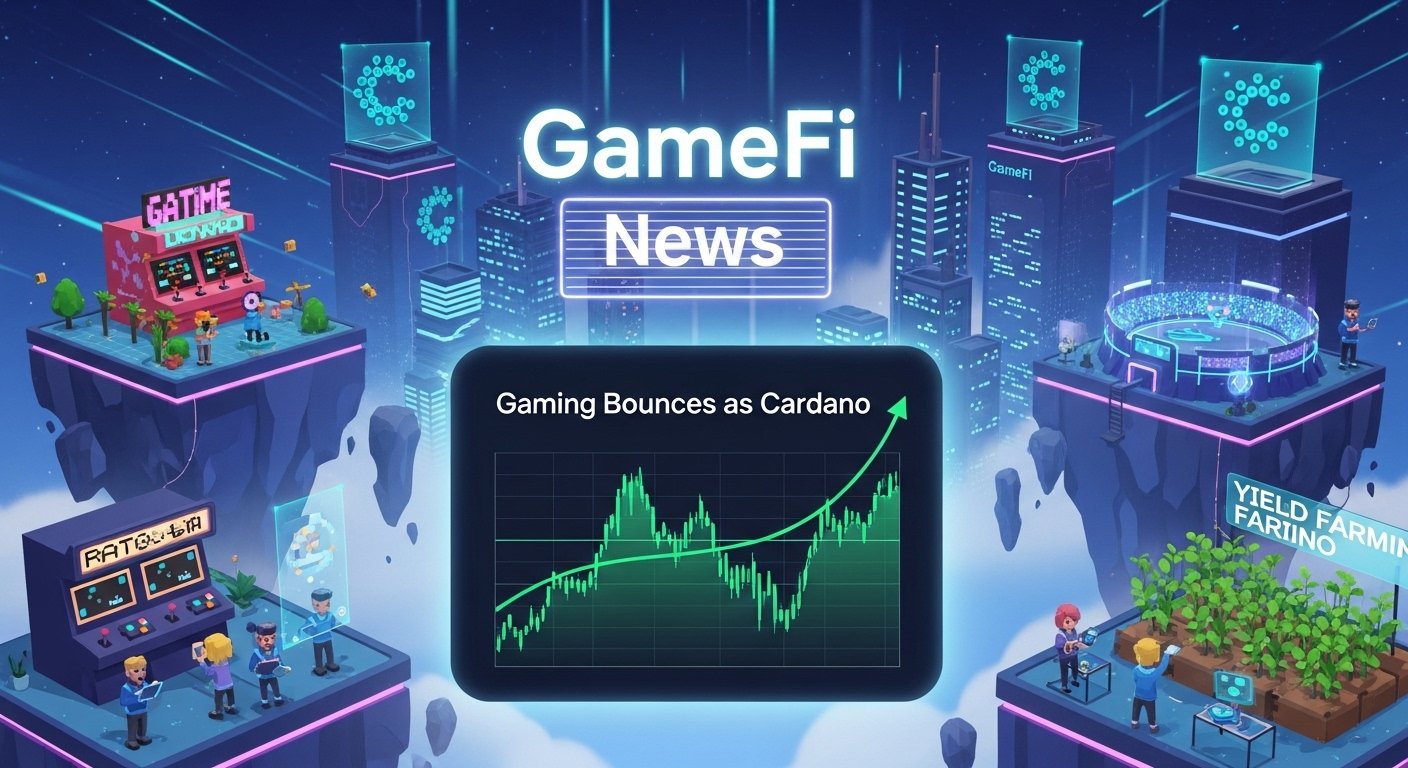
GameFi News Gaming Bounces as Cardano Goes Unreal the latest GameFi news signals a renewed sense of optimism across the blockchain gaming industry. After months of declining token prices, shrinking player bases, and cautious investor sentiment, the sector is showing clear signs of recovery. Several gaming tokens have bounced from their lows, development activity has accelerated, and major blockchain ecosystems are investing heavily in infrastructure that supports high-quality games. Among these developments, Cardano’s integration with Unreal Engine stands out as one of the most significant steps forward, potentially bridging the gap between mainstream game development and decentralized ecosystems.
For much of the previous year, the GameFi market struggled to maintain momentum. Rising interest rates, macroeconomic uncertainty, and the aftermath of earlier crypto market downturns weighed heavily on speculative sectors like gaming tokens and NFT-based projects. Many titles lost active players, token rewards declined, and investor confidence weakened. However, the current GameFi news cycle suggests that the sector may be entering a new phase focused less on hype and more on sustainable gameplay, better graphics, and real economic utility.
Cardano’s entry into the conversation has added a new dimension to the discussion. Known for its research-driven development approach and emphasis on scalability and security, Cardano has historically been associated with decentralized finance and academic-style innovation. Now, with Unreal Engine support entering the ecosystem, Cardano gaming could become a serious contender in the race to build high-quality Web3 games that appeal to mainstream audiences.
GameFi News Gaming Bounces as Cardano
The GameFi sector has always been cyclical, moving in waves of hype and correction. The first major boom occurred when play-to-earn games attracted millions of users with the promise of real-world income through gameplay. However, as token prices dropped and rewards declined, many players left the ecosystem, exposing weaknesses in the economic models behind early projects.
Recent GameFi news indicates that developers are shifting their focus. Instead of building games solely around token rewards, studios are prioritizing gameplay quality, storytelling, and long-term engagement. This shift marks the transition from play-to-earn to play-and-earn or even play-and-own models, where the emphasis is on ownership of digital assets rather than short-term financial incentives.
Another important factor in the recovery is the broader crypto market’s stabilization. As major cryptocurrencies find support levels and investor sentiment improves, risk-on sectors like gaming tend to benefit. This renewed confidence is reflected in the rebound of several gaming tokens and increased venture funding for new projects.
Why Gaming Tokens Are Rebounding
The bounce in gaming tokens is not happening in isolation. It is part of a broader shift in the crypto gaming economy that reflects both macro trends and industry-specific improvements.
First, developers have learned valuable lessons from the previous cycle. Early play-to-earn ecosystems often relied on unsustainable reward systems that required constant inflows of new players. When growth slowed, token prices collapsed. Today’s projects are designing more balanced economies, introducing mechanisms such as limited token emissions, dynamic rewards, and stronger in-game sinks.
Second, the quality of games is improving. Instead of simple browser-based or mobile titles, many studios are now building full-scale 3D games using engines like Unity and Unreal. This shift is attracting traditional gamers who previously ignored blockchain titles due to poor graphics or repetitive gameplay.
Third, institutional and venture capital interest is returning. Several funds are once again exploring Web3 gaming investments, particularly in projects that combine strong gameplay mechanics with scalable blockchain infrastructure.
Cardano’s Entry into the GameFi Arena
Cardano has long been known for its methodical development process, focusing on peer-reviewed research and formal verification. While this approach has sometimes been criticized for being slow, it has also earned the network a reputation for reliability and strong fundamentals.
Now, Cardano gaming is emerging as a new narrative within the broader GameFi news landscape. The integration with Unreal Engine represents a strategic move that could bring professional-grade game development to the Cardano ecosystem.
Unreal Engine is one of the most widely used game development platforms in the world. It powers everything from indie games to blockbuster titles and even virtual production in the film industry. By enabling developers to build Unreal-based games that interact with Cardano’s blockchain, the network opens the door to a new generation of high-quality Web3 gaming experiences.
This development also aligns with the broader trend of blockchain interoperability and developer-friendly ecosystems. Rather than forcing studios to learn entirely new tools, Cardano is moving toward integrating with existing industry standards.
How Unreal Integration Changes the Landscape
The integration of Cardano with Unreal Engine is more than a technical milestone. It represents a shift in how blockchain gaming can be developed and experienced.
Bridging Traditional and Web3 Game Development
One of the biggest challenges in GameFi has been the divide between traditional game developers and blockchain engineers. Most mainstream studios are comfortable with engines like Unreal, but not with complex smart contract systems or decentralized infrastructure.
By enabling Unreal Engine support, Cardano reduces this barrier. Developers can continue using familiar tools while adding blockchain functionality such as NFT ownership, token economies, and decentralized marketplaces. This approach could significantly accelerate adoption among traditional game studios.
Enhancing Visual Quality and Gameplay Depth
Early play-to-earn games often relied on simple graphics and repetitive mechanics. While they succeeded in attracting users during bull markets, they struggled to retain players once financial incentives declined.
With Unreal integration, Cardano gaming projects can aim for console-quality visuals and more complex gameplay systems. This shift could help attract mainstream gamers who care more about fun and immersion than token rewards.
Expanding the Cardano Ecosystem
The move into gaming also diversifies the Cardano ecosystem. Until recently, most activity on the network focused on DeFi, staking, and infrastructure projects. The addition of blockchain games introduces new user demographics, including gamers, content creators, and digital asset traders. This expansion could increase network activity, drive demand for the native token, and strengthen the overall ecosystem.
The Shift from Play-to-Earn to Sustainable Game Economies
The latest GameFi news also highlights a broader philosophical shift in the industry. Developers are moving away from pure play-to-earn models toward more sustainable and engaging economic systems. In earlier projects, the primary motivation for players was financial gain. This created a fragile ecosystem where players would leave as soon as rewards declined. Today, studios are focusing on player ownership, in-game asset utility, and long-term engagement.
In these newer models, players earn rewards not just for time spent but for skill, creativity, and participation in the game’s economy. NFTs are used to represent characters, items, or land, giving players true ownership of digital assets. This approach aligns more closely with traditional gaming principles while still leveraging the benefits of blockchain technology.
Competitive Landscape: Other Blockchains in GameFi
Cardano’s move into Unreal-powered gaming comes at a time when several other blockchains are also competing for dominance in the GameFi sector. Ethereum remains the most established platform, with a large developer community and a strong NFT ecosystem. However, high transaction fees have pushed many gaming projects to alternative networks.
Solana has gained attention for its high speed and low costs, making it attractive for fast-paced games. Polygon has positioned itself as a scaling solution for Ethereum-based gaming projects. Other networks, such as Avalanche and Immutable, are also building specialized gaming infrastructures. In this competitive environment, Cardano gaming must offer clear advantages. Its strengths in security, scalability, and research-driven development could appeal to studios looking for long-term stability rather than short-term hype.
Investor Sentiment and Market Outlook
Investor sentiment toward GameFi appears to be improving. The rebound in gaming tokens, increased development activity, and the entrance of major ecosystems like Cardano have all contributed to a more optimistic outlook.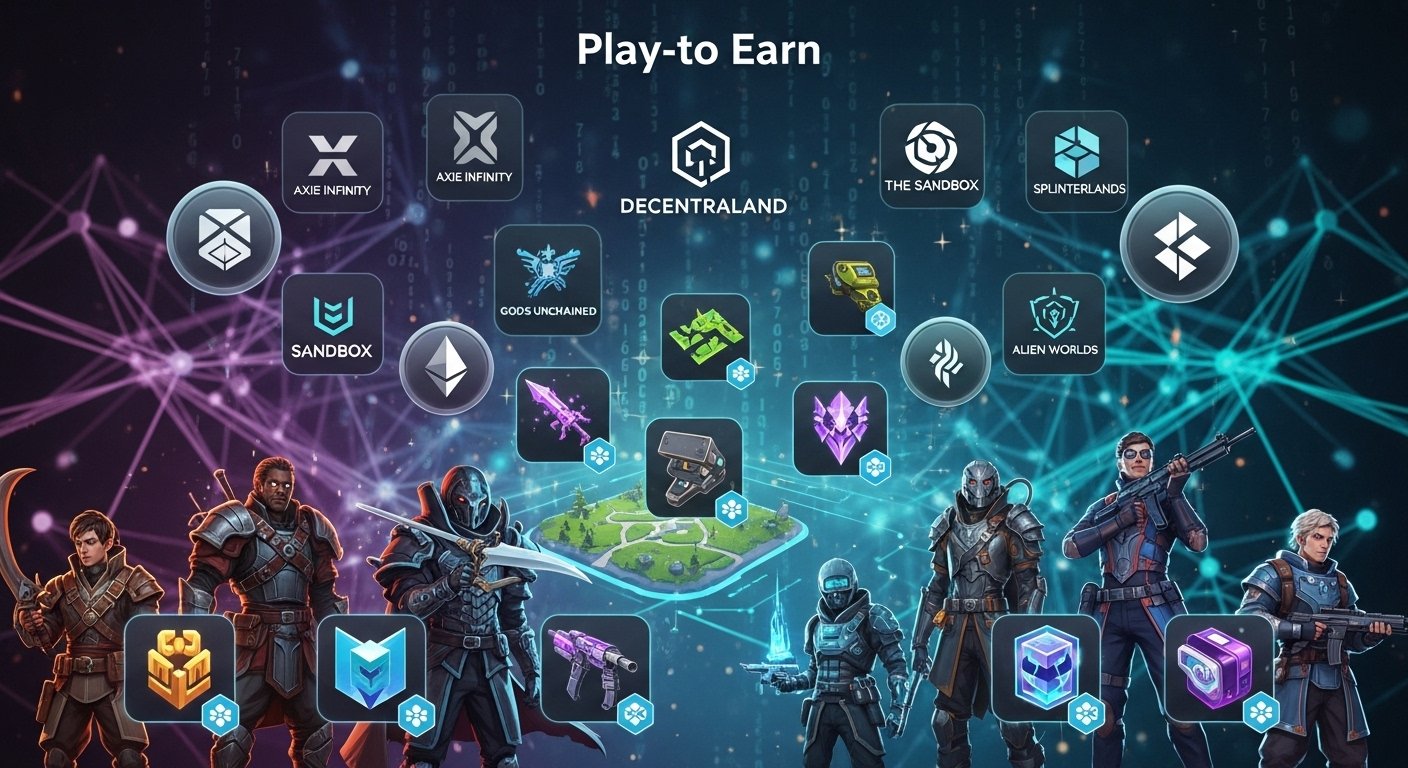
However, the market is still cautious. Many investors remember the rapid rise and fall of earlier play-to-earn projects. As a result, there is a stronger emphasis on fundamentals, such as active user numbers, gameplay quality, and sustainable tokenomics.
If Cardano’s Unreal integration leads to the launch of high-quality games, it could become a catalyst for renewed interest in the blockchain gaming sector.
Challenges Ahead for Cardano Gaming
Despite the excitement, several challenges remain for Cardano gaming. First, the ecosystem must attract experienced game developers. Integration with Unreal Engine is a strong step, but studios will also need funding, tools, and community support.
Second, the network must handle increased transaction volume as gaming activity grows. While Cardano’s architecture is designed for scalability, real-world gaming workloads will test the system. Third, competition from other chains remains intense. To stand out, Cardano projects must deliver games that are not only technically impressive but also genuinely fun to play.
The Future of GameFi and Cardano’s Role
The broader GameFi news trend suggests that the industry is maturing. Instead of chasing quick profits, developers and investors are focusing on building sustainable ecosystems. Cardano’s Unreal integration positions it as a serious contender in this new phase. By combining high-quality game development tools with secure blockchain infrastructure, the network could attract both indie studios and major developers.
If successful, this approach could help blockchain gaming move closer to mainstream adoption. Instead of niche experiments, Web3 games could become part of the broader gaming landscape, offering players true ownership and new economic opportunities.
Conclusion
The latest GameFi news reflects a sector in transition. Gaming tokens are bouncing back, development activity is rising, and the focus is shifting toward sustainable gameplay models. Amid these changes, Cardano’s integration with Unreal Engine stands out as a potentially transformative development.
By bridging the gap between traditional game development and blockchain infrastructure, Cardano gaming could open the door to higher-quality Web3 gaming experiences. While challenges remain, the combination of improved tokenomics, better gameplay, and stronger ecosystems suggests that the next phase of GameFi could be more durable and appealing to mainstream audiences.
If the current trends continue, the industry may move beyond speculative hype cycles and toward a future where blockchain games are judged by the same standards as traditional titles: fun, engaging, and worth playing.
FAQs
Q: Why is GameFi gaining attention again in recent crypto markets?
GameFi is gaining attention again because the industry is shifting toward more sustainable models and higher-quality games. Earlier play-to-earn systems relied heavily on constant token rewards, which proved unsustainable when market conditions changed. Now, developers are focusing on gameplay, player ownership, and long-term economic balance. This change, combined with a stabilizing crypto market and renewed investor interest, has helped gaming tokens rebound and brought fresh attention to the sector.
Q: What makes Cardano’s Unreal Engine integration important for blockchain gaming?
Cardano’s integration with Unreal Engine is important because it allows developers to build high-quality games using one of the most popular engines in the industry while still leveraging blockchain features. This reduces the learning curve for traditional game studios and makes it easier to create visually advanced and complex Web3 games. The move could attract experienced developers and lead to more polished and engaging blockchain titles.
Q: How is the new GameFi model different from early play-to-earn systems?
The new GameFi model focuses on sustainability and player experience rather than pure financial rewards. Early play-to-earn systems often depended on new users entering the ecosystem to support token prices. In contrast, modern GameFi projects are building balanced economies with limited token emissions, stronger in-game utilities, and gameplay that encourages long-term engagement. This approach aims to create games that are enjoyable even without large financial incentives.
Q: Can Cardano compete with other blockchains in the GameFi space?
Cardano can compete with other blockchains in the GameFi space if it successfully attracts developers and delivers high-quality games. The network’s strengths include strong security, research-driven development, and a focus on scalability. However, it faces stiff competition from established gaming ecosystems on Ethereum, Solana, Polygon, and other chains. Success will depend on the quality of games and the overall user experience.
Q: What could the future of GameFi look like over the next few years?
Over the next few years, GameFi could evolve into a more mature and stable sector of the crypto industry. Instead of hype-driven play-to-earn experiments, the focus may shift to fully developed games with strong economies, engaging gameplay, and real player ownership. As major engines like Unreal integrate with blockchain networks, the line between traditional gaming and Web3 gaming could blur, leading to broader mainstream adoption.
