

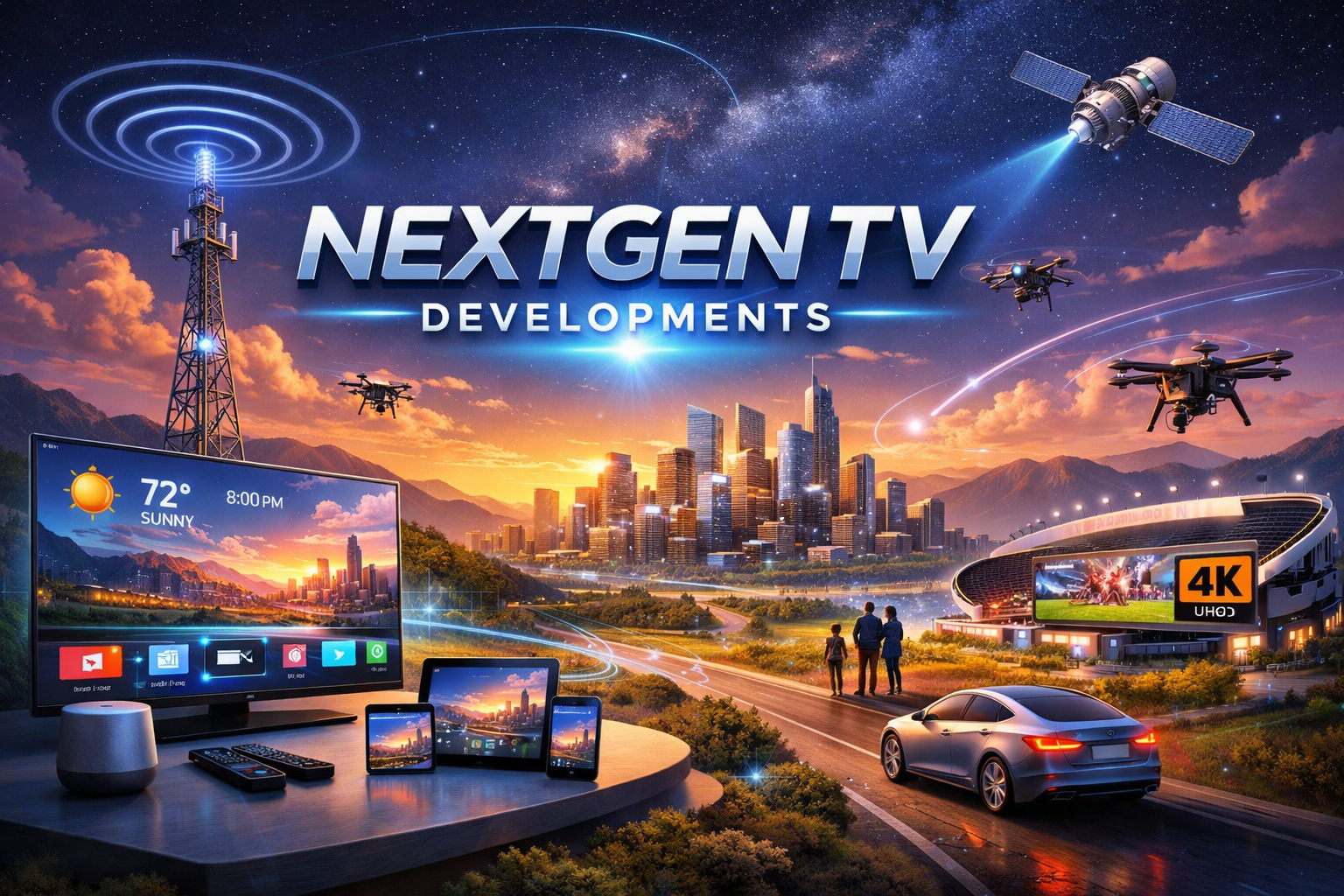
The Advanced Television Systems Committee ATSC To Showcase Latest NextGen TV Developments At CES 2026 is gearing up to make a significant statement at CES 2026 in Las Vegas, spotlighting its pioneering NextGen TV technologies and the advanced features of the ATSC 3.0 broadcast standard. As one of the most anticipated events on the consumer electronics calendar, CES represents a global stage where cutting-edge innovations in television and broadcast technology are unveiled. ATSC’s participation signals not just incremental upgrades but a substantive leap in how broadcast television is delivered, experienced, and integrated into consumers’ digital lifestyles. From new home receivers to innovative solutions for multiunit dwellings, the group’s presence at CES underscores its commitment to transforming over-the-air broadcasting with NextGen TV advancements that offer superior picture quality, enhanced sound, interactive capabilities, and broader connectivity.
ATSC’s latest NextGen TV developments, examine how these innovations will shape the future of broadcast television, and understand why industry players and consumers alike have reason to be excited about the advancements being showcased at CES 2026.
NextGen TV and the ATSC 3.0 Standard
Before diving into the specifics of ATSC’s showcase at CES 2026, it’s essential to understand what NextGen TV actually is and why the ATSC 3.0 broadcast standard represents a transformative shift in television technology. ATSC 3.0, widely marketed as NextGen TV, is the latest evolution in terrestrial television broadcast standards. It combines traditional over-the-air transmission with internet connectivity to deliver exceptional video and audio quality, support for immersive formats, and interactive features far beyond what was available in the previous ATSC 1.0 standard.
Unlike its predecessors, ATSC 3.0 is designed from the ground up to embrace modern consumer expectations. It supports high-efficiency video coding (HEVC) for superior 4K resolution at 120 fps, rich color gamut, and advanced spatial audio formats like Dolby AC-4 and MPEG-H 3D Audio. It also incorporates datacasting capabilities and robust mobile reception, making broadcast television adaptable to smart devices and future communication environments.
A Showcase of Innovation and Practical Solutions
At CES 2026—held from January 6–9 in Las Vegas—ATSC will spotlight a range of NextGen TV developments that highlight both consumer-focused and industry-centric innovations. In its exhibit space in the newly renovated Grand Lobby of the Las Vegas Convention Center, ATSC plans to highlight successes in ATSC 3.0 deployment, next-generation home receivers, and other emerging technologies designed to enhance broadcast television.
Madeleine Noland, President of ATSC, has emphasized that ATSC 3.0 is delivering “better picture, better sound, better access and better choice over-the-air to viewers” across the U.S. and in international markets including South Korea, the Caribbean, and Brazil. This platform combines the reliability of free broadcast television with the flexibility and interactivity of connected media.
NextGen TV Receivers: What’s New and Exciting
One of the central components of the showcase will be the display of new ATSC 3.0 home receivers. These devices are key to unlocking the full potential of NextGen TV features, enabling consumers to enjoy advanced broadcast content directly on compatible televisions. A variety of receiver solutions are being presented by companies including ADTH, Silicon Dust, and Zapper Box.
Each manufacturer brings its own approach to enhancing the broadcast experience, from high-performance receivers with advanced signal processing to flexible devices that integrate seamlessly with existing home entertainment systems. The availability of diverse receiver options means a broader range of consumers can participate in the transition to NextGen TV technology without being limited to specific device brands or price points.
Affordable Converter Boxes: Expanding Access for All
In addition to fully featured receivers, ATSC’s CES exhibit will also highlight affordable prototype convertor boxes introduced by Pearl TV. These NextGen TV converters are designed to support households that still rely on older television sets by providing an economical way to access ATSC 3.0 broadcasts.
This initiative is particularly important because it ensures that the transition to NextGen TV isn’t limited to consumers who can afford the newest hardware. The converter box program aims to bridge the gap between legacy equipment and the benefits of ATSC 3.0, helping to foster widespread adoption and avoid leaving segments of the viewing public behind.
Informational Kiosks: Education Meets Innovation
ATSC’s exhibit space at CES will feature informational kiosks sponsored by several of its members. These kiosks will offer insights into various NextGen TV innovations, giving attendees a chance to learn about how the ATSC 3.0 ecosystem works, the technical advantages it offers, and the new ways broadcasters and viewers can interact with television content.
Attendees will have the opportunity to engage with experts, explore live demonstrations, and see firsthand how advanced features like enhanced video quality, improved sound, and connected services are being integrated into real-world products.
A New Era of Content Delivery
The innovations being showcased at CES 2026 are more than just incremental upgrades—they represent a paradigm shift in broadcast media. With ATSC 3.0, broadcasters can deliver high-quality 4K content with HDR and immersive audio, rivaling premium streaming services while retaining the benefits of over-the-air access, such as no subscription fees and nationwide reach.
In previous CES events, ATSC and its partners have demonstrated a range of enhanced services including expanded interactive capabilities, such as interactive gaming, multiple simultaneous channels, and enhanced digital signage options. These developments suggest that the future of broadcast television will be more engaging and dynamic than ever before.
Connectivity and Consumer Experience
NextGen TV also bridges traditional broadcast with internet connectivity, enabling hybrid services that combine linear television with interactive features and on-demand content. This hybrid model provides consumers with a richer overall viewing experience and opens new revenue streams for broadcasters, including targeted advertising and datacasting services. By integrating internet connectivity directly into the broadcast experience, ATSC 3.0 enables television sets to deliver personalized content, enhanced emergency alerts, and even hybrid applications that blend live broadcast with web-based interactivity.
Beyond the U.S.: International Momentum
While the transition to NextGen TV is gaining traction in the U.S., ATSC 3.0 technologies are also being adopted internationally. Countries like South Korea and Brazil have embraced the standard, recognizing its potential to modernize television infrastructure and deliver superior broadcast services. This global expansion reinforces the value of ATSC’s advancements showcased at events like CES. As international markets adapt to NextGen TV and adopt compatible receivers, broadcasters and manufacturers have an opportunity to develop ecosystems that transcend regional boundaries.
Collaboration and Industry Growth
ATSC’s presence at CES 2026 also highlights the growing collaborative ecosystem supporting NextGen TV. From broadcasters and device manufacturers to software developers and standards bodies, a broad range of stakeholders are working together to drive the standard forward. This collaboration is essential not only for driving technological innovation but also for establishing robust markets and ensuring that content delivery platforms are resilient, secure, and accessible to a wide audience.
Navigating the Transition
While the advancements in NextGen TV are promising, the transition from legacy broadcast systems presents challenges. Broadcasters and regulators must navigate technical hurdles, spectrum management issues, and consumer adoption barriers as they move toward a fully realized ATSC 3.0 environment. 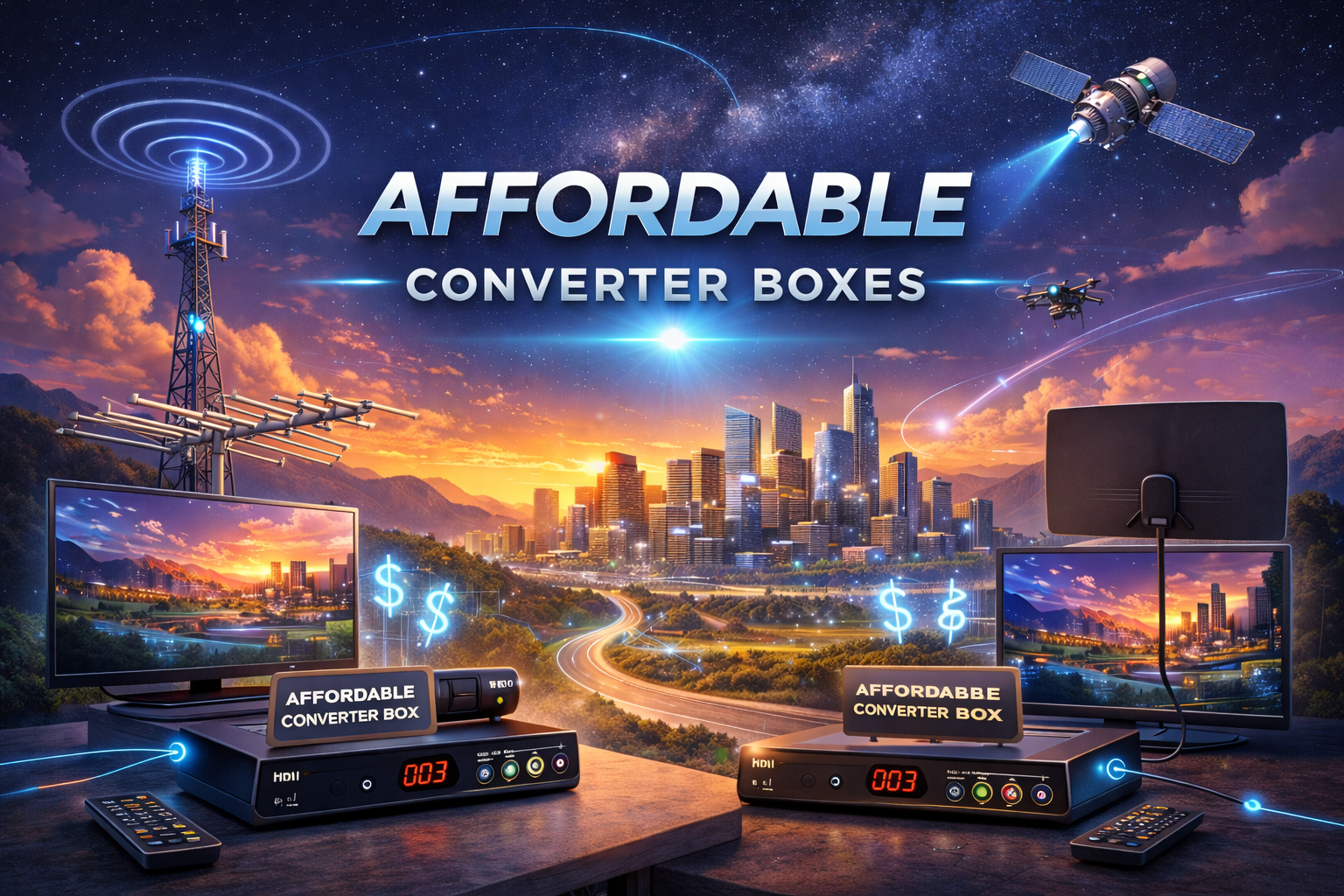
However, initiatives like affordable converter boxes and an expanding variety of compatible receivers are designed to make this transition as seamless as possible for consumers.
Ensuring Broad Consumer Adoption
Consumer education and awareness will play a crucial role in the success of NextGen TV. Events like CES provide an ideal platform for showcasing innovations in a way that both industry professionals and the general public can appreciate. By highlighting the tangible benefits of NextGen TV, ATSC aims to accelerate consumer adoption and demonstrate that broadcast television remains relevant in a world dominated by streaming services.
Conclusion
ATSC’s showcase of the latest NextGen TV developments at CES 2026 is poised to highlight not only the technological advancements behind the ATSC 3.0 standard but also the practical ways these innovations will enhance broadcast television for consumers worldwide. From cutting-edge home receivers and cost-effective converter boxes to deeper insights into the future of broadcast media, ATSC’s presence at CES underscores the transformative potential of NextGen TV.
As the broadcast landscape evolves, these developments mark a significant step toward a future where television is more immersive, interactive, and accessible than ever before. With global deployments gaining momentum and a thriving ecosystem of partners pushing the boundaries of what television can deliver, NextGen TV represents a new era in broadcast innovation.
FAQs
Q. What is NextGen TV and how does it differ from traditional broadcast TV?
NextGen TV refers to television powered by the ATSC 3.0 standard, offering enhanced picture quality, improved sound, interactive features, and internet connectivity compared to the older ATSC 1.0 standard. It combines over-the-air broadcasting with broadband capabilities for a richer viewing experience.
Q. Will I need a new TV to receive ATSC 3.0 broadcasts?
Not necessarily. While many new TVs come with ATSC 3.0 tuners built in, affordable converter boxes like those being showcased at CES 2026 allow existing televisions to access NextGen TV signals without needing a new set.
Q. What are some of the key benefits of NextGen TV for consumers?
NextGen TV delivers 4K HDR video, enhanced audio formats, interactive applications, and connected services, all while maintaining free over-the-air access. Its hybrid broadcast and broadband architecture enables new viewing experiences.
Q. How widespread is ATSC 3.0 adoption in the U.S.?
ATSC 3.0 broadcasts are now accessible to a large portion of U.S. viewers, with deployment continuing to expand across markets. International adoption is also growing, with countries like South Korea and Brazil embracing the standard.
Q. What does ATSC’s presence at CES 2026 mean for the future of TV?
ATSC’s CES presence highlights the industry’s commitment to next-generation broad casting and consumer-centric innovations. It signals that broadcast TV continues to evolve and remain relevant in a competitive media landscape.
