

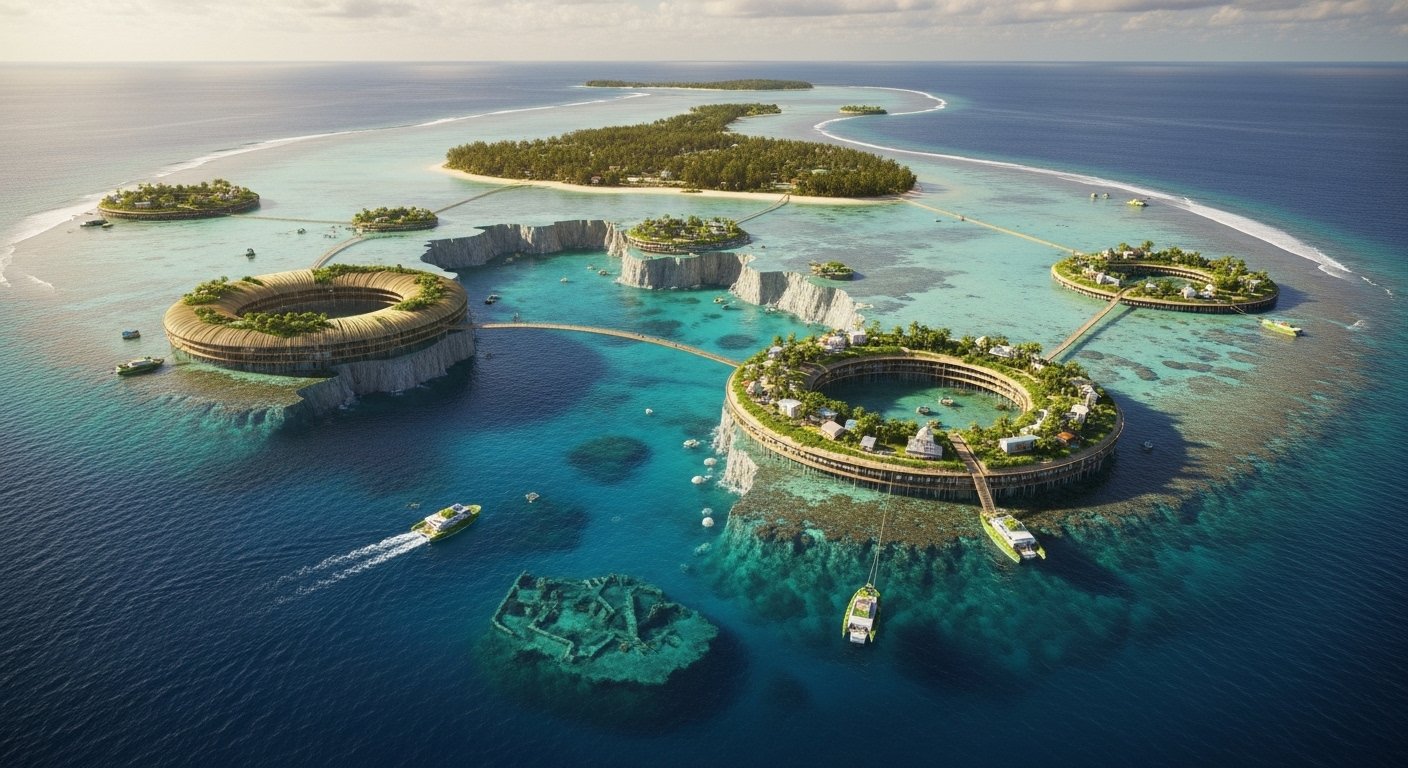
The Disappearing Island Nation Recreating Itself in the Metaverse the idea of a disappearing island nation recreating itself in the metaverse once sounded like science fiction. Today, it feels like a necessary survival strategy. As sea levels rise and climate change accelerates, low-lying countries across the Pacific and Indian Oceans face an uncertain future. For some, the threat is not abstract or decades away. It is immediate, visible, and relentless.
Coastal erosion swallows shorelines year after year. Saltwater seeps into freshwater supplies. Homes, schools, and sacred land are lost. In response, one disappearing island nation is exploring a radical solution: preserving its sovereignty, culture, and community by rebuilding itself in a fully immersive digital environment.
This bold vision is more than a tech experiment. It represents a new chapter in digital sovereignty, climate resilience, and the concept of a virtual nation-state. By leveraging metaverse technology, immersive 3D environments, and blockchain-backed identity systems, this island nation aims to protect its people’s identity even if its physical territory vanishes beneath the sea.
The story of the disappearing island nation recreating itself in the metaverse forces us to ask difficult questions about what defines a country. Is it land? Borders? Government institutions? Or is it shared identity, culture, and collective memory? As climate displacement becomes a global reality, the answers may reshape international law and digital innovation for generations to come.
The Disappearing Island Nation Recreating
For many small island states, rising sea levels are not a distant forecast but a lived reality. Nations such as Tuvalu, Kiribati, and the Maldives have long warned that climate change poses an existential threat to their survival. Scientific projections indicate that some low-lying atoll nations could become uninhabitable within this century due to flooding, coastal erosion, and freshwater contamination.
The disappearing island nation recreating itself in the metaverse is responding to these warnings with urgency. In these regions, the highest point of land may stand only a few meters above sea level. Storm surges are more destructive. Infrastructure requires constant repair. Even traditional burial grounds and cultural landmarks are at risk of being washed away.
When territory disappears, it challenges the foundations of statehood. International law has historically tied sovereignty to land. If a country loses its physical territory, does it cease to exist? Can it retain its seat at global institutions? These questions are no longer theoretical.
Faced with such uncertainty, leaders from vulnerable island nations have begun exploring innovative solutions. While relocation agreements and land purchases abroad have been discussed, recreating a disappearing island nation in the metaverse introduces a radically different strategy—one focused not on abandoning identity, but preserving it digitally.
Why the Metaverse Became a Lifeline
The concept of the metaverse refers to interconnected virtual worlds where users interact through avatars in immersive digital environments. Powered by advances in virtual reality, augmented reality, and blockchain technology, the metaverse allows communities to build persistent, shared spaces that mimic or reimagine real-world locations. For a disappearing island nation recreating itself in the metaverse, this technology offers more than entertainment or economic opportunity. It offers continuity.
By creating a detailed digital twin of the country’s landscapes, villages, government buildings, and cultural sites, the nation can preserve its heritage even if rising seas erase the physical versions. Citizens can gather in virtual town halls, attend cultural festivals, and participate in civic life regardless of geographic displacement.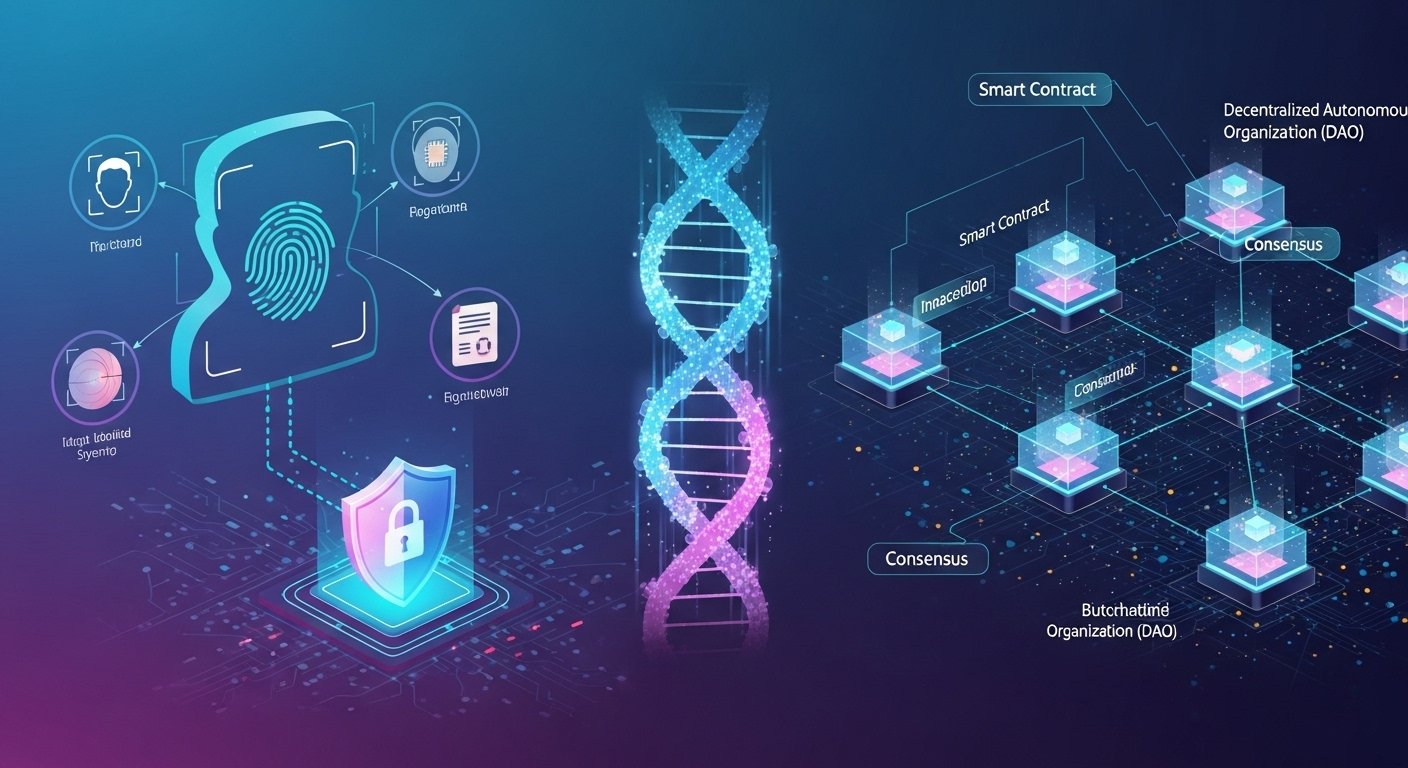
The metaverse also supports the development of digital citizenship, secure identity verification, and blockchain governance systems. These tools allow a nation to maintain administrative functions and legal frameworks in a decentralized environment. In effect, the metaverse becomes a new kind of territory—one not bound by physical geography. For communities facing climate displacement, this digital reconstruction provides psychological and cultural stability. Even if families relocate to other countries, they can remain connected to a shared virtual homeland.
Rebuilding Culture in a Virtual Homeland
When a disappearing island nation recreates itself in the metaverse, culture is at the center of the effort. Physical land may define borders, but culture defines belonging.
Traditional dances, songs, ceremonies, and oral histories can be recorded and integrated into immersive experiences. Virtual classrooms can teach native languages to younger generations scattered across the globe. Sacred sites can be digitally reconstructed with astonishing detail, allowing future generations to walk through places their ancestors once knew.
This digital preservation extends beyond monuments. Community life can be simulated in vibrant ways. Markets, community gatherings, and national celebrations can continue in virtual form. Instead of fading with displacement, cultural identity can evolve within a new digital space.
In doing so, the disappearing island nation recreating itself in the metaverse transforms technology into a tool of cultural preservation and heritage conservation. It sends a powerful message: while land may be lost, identity endures.
Digital Sovereignty and the Future of Statehood
One of the most groundbreaking aspects of a disappearing island nation recreating itself in the metaverse is the concept of digital sovereignty. Traditionally, sovereignty depends on defined territory, a permanent population, and recognition by other states. But what happens when territory becomes submerged?
Legal scholars and policymakers are now debating whether a nation can maintain statehood without land. If a government continues to function, citizens maintain nationality, and other countries recognize its status, the argument for continued sovereignty strengthens.
In the metaverse, government institutions can operate virtually. Parliamentary sessions can be held in immersive digital chambers. Public services can be delivered through secure online systems. Blockchain-based voting systems can ensure transparency and integrity.
The disappearing island nation recreating itself in the metaverse may pioneer a new model of borderless governance. This model challenges the assumption that geography is essential to political identity. It also raises complex legal questions about maritime zones, resource rights, and international recognition. As climate change intensifies, other vulnerable nations may follow this path, redefining how sovereignty functions in a digital age.
Economic Survival in a Virtual World
Recreating a disappearing island nation in the metaverse is not only about culture and governance. It is also about economic survival.
Tourism often serves as a primary revenue source for small island states. As beaches erode and storms intensify, physical tourism may decline. However, a digital version of the country can attract global visitors in new ways. Virtual tourism experiences can allow users to explore coral reefs, historical landmarks, and cultural festivals without leaving their homes.
The metaverse also enables new digital economies. Citizens can engage in remote work, virtual entrepreneurship, and global trade within decentralized platforms. Through NFTs, digital art, and cultural assets, the nation can monetize its heritage while maintaining control over intellectual property.
By positioning itself as a pioneer in metaverse development, the disappearing island nation recreating itself in the metaverse may attract investment, innovation partnerships, and technology-driven growth. Economic resilience becomes intertwined with digital transformation.
The Emotional Dimension of Climate Displacement
While the technological and legal aspects are significant, the human dimension cannot be overlooked. Losing one’s homeland is deeply traumatic. The land carries memories, ancestry, and spiritual meaning.
For citizens of a disappearing island nation recreating itself in the metaverse, the digital reconstruction serves as both a coping mechanism and a symbol of hope. It acknowledges the painful reality of environmental loss while refusing to surrender cultural identity. Virtual spaces can host community support networks, storytelling events, and collective remembrance ceremonies. These experiences help maintain a sense of unity among displaced populations.
At the same time, there is an emotional tension. A virtual homeland cannot fully replace physical landscapes. Sand between toes, ocean breezes, and ancestral land cannot be replicated perfectly in code. The metaverse offers continuity, but it also highlights what has been lost.
Technological Challenges and Ethical Questions
Recreating a disappearing island nation in the metaverse requires robust technological infrastructure. High-speed internet access, affordable hardware, and digital literacy are essential for meaningful participation. Without these, digital inequality may deepen.
There are also ethical concerns. Who controls the digital land? Which technology companies host the virtual environment? How is citizen data protected? Ensuring that the metaverse does not become a space dominated by external corporate interests is crucial for genuine digital sovereignty.
Furthermore, reliance on technology raises sustainability questions. Data centers consume energy. The environmental footprint of blockchain systems must be carefully managed to avoid exacerbating the climate crisis that triggered the migration in the first place. The disappearing island nation recreating itself in the metaverse must balance innovation with responsibility. Transparent governance, inclusive planning, and sustainable infrastructure will determine the project’s long-term success.
A Blueprint for Other Climate-Vulnerable Nations
The experiment of a disappearing island nation recreating itself in the metaverse may serve as a blueprint for others. As rising sea levels threaten coastal regions worldwide, digital continuity could become part of broader adaptation strategies. Major cities facing flood risks may create digital twins for emergency planning and cultural preservation. Communities at risk of wildfire or desertification could document and simulate their environments for future generations.
The concept of a virtual nation expands beyond island states. It introduces a framework for preserving identity amid environmental disruption. By embracing climate adaptation technologies, governments can explore hybrid models that blend physical relocation with digital continuity. The disappearing island nation recreating itself in the metaverse stands at the forefront of this transformation. Its journey may influence global climate policy, technological development, and the evolving definition of what it means to belong to a nation.
Conclusion
The story of the disappearing island nation recreating itself in the metaverse is both sobering and inspiring. It underscores the devastating consequences of climate change while highlighting human resilience and innovation.
As rising seas threaten to erase physical borders, this nation refuses to disappear. Instead, it is redefining sovereignty, culture, and community in a digital age. By leveraging metaverse technology, blockchain governance, and immersive virtual environments, it seeks to preserve identity beyond geography.
This bold experiment challenges traditional notions of statehood and offers a glimpse into the future of climate adaptation. The disappearing island nation recreating itself in the metaverse is not merely building a virtual replica of its land. It is building a new model of survival—one where culture endures, sovereignty evolves, and hope persists even as the tides rise.
FAQs
Q: How can a disappearing island nation maintain sovereignty without physical land?
A disappearing island nation recreating itself in the metaverse can maintain sovereignty by continuing to operate a recognized government, retaining its citizens’ nationality, and preserving international recognition. International law traditionally emphasizes territory, but legal scholars argue that statehood may persist if governance structures remain functional and other countries acknowledge its status. By using digital governance systems, secure identity frameworks, and virtual parliamentary sessions, the nation can demonstrate continuity of political authority even if its land becomes uninhabitable.
Q: What role does the metaverse play in preserving cultural identity for displaced citizens?
The metaverse provides immersive digital environments where cultural practices, language, and traditions can be experienced collectively. For a disappearing island nation recreating itself in the metaverse, this means digitally reconstructing villages, sacred sites, and public spaces. Citizens can participate in festivals, educational programs, and community gatherings through avatars. While it cannot fully replace physical presence, the metaverse acts as a powerful tool for cultural preservation and intergenerational learning.
Q: Are there economic benefits to recreating a nation in the metaverse?
Yes, there can be significant economic opportunities. A disappearing island nation recreating itself in the metaverse can develop virtual tourism, digital entrepreneurship, and blockchain-based services. By offering immersive cultural experiences and monetizing digital assets, the nation can generate alternative revenue streams. This approach also positions it as a leader in digital innovation, potentially attracting global partnerships and investment in emerging technologies.
Q: What challenges could prevent a virtual nation from succeeding?
Several challenges exist, including digital inequality, limited internet access, and high technology costs. If citizens cannot access the metaverse, participation will be uneven. Legal uncertainty about digital sovereignty and data protection also poses risks. Additionally, ensuring that external technology providers do not dominate governance structures is critical. Overcoming these obstacles requires careful planning, inclusive policies, and sustainable technological infrastructure.
Q: Could other countries follow this model in the future?
As climate change intensifies, more countries may explore elements of this approach. While not every nation faces total submersion, many confront severe environmental disruption. The concept of a disappearing island nation recreating itself in the metaverse could inspire hybrid models combining physical relocation with digital preservation. This model may influence global discussions on climate adaptation, migration policy, and the evolving definition of national identity in a rapidly changing world.
