

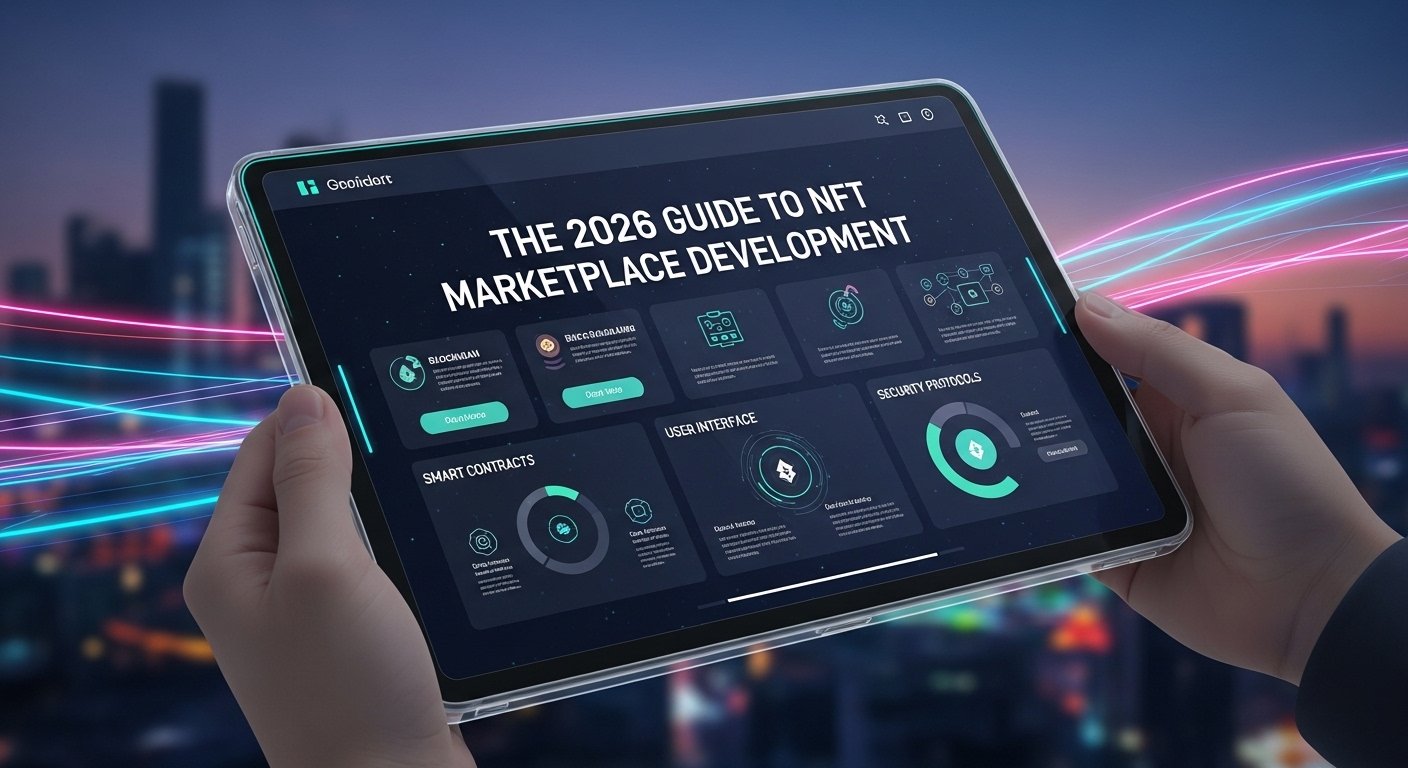
The 2026 Guide to NFT Marketplace Development the digital economy is evolving at a pace few predicted just a decade ago. From cryptocurrencies to decentralized finance, blockchain technology has reshaped the way value is created, exchanged, and stored online. At the center of this transformation lies the concept of non-fungible tokens, or NFTs. These unique digital assets have turned everything from art and music to real estate and gaming items into tradeable, verifiable property on the blockchain. As the ecosystem matures, entrepreneurs and enterprises alike are turning their attention to NFT marketplace development as a powerful business opportunity.
In 2026, the NFT landscape looks far more sophisticated than the early boom years. The hype-driven cycles have given way to practical, utility-focused applications. Marketplaces are no longer just digital art galleries; they are comprehensive platforms supporting gaming assets, intellectual property rights, tokenized real-world assets, and exclusive membership experiences. This shift has created a new demand for scalable, secure, and user-friendly marketplaces capable of handling millions of users and transactions.
This guide explores the essential aspects of NFT marketplace development in 2026. From core architecture and blockchain selection to monetization strategies and security considerations, this article provides a complete roadmap for turning digital pixels into profitable powerhouses.
The 2026 Guide to NFT Marketplace Development
In the early days, NFT marketplaces were simple platforms where users could mint and trade digital collectibles. Over time, the industry evolved into a more complex ecosystem with specialized platforms catering to different sectors. Today’s NFT marketplace development focuses on functionality, scalability, and real-world integration.
Modern platforms support features such as fractional ownership, cross-chain compatibility, and smart contract automation. The focus has shifted from speculative trading to practical applications, including digital asset ownership, licensing, and tokenized physical assets.
The evolution has also been driven by improvements in blockchain technology. High gas fees and slow transaction speeds once limited adoption. In 2026, newer blockchain networks and Layer-2 solutions provide faster and cheaper transactions, making marketplaces more accessible to global audiences.
Key Market Trends Driving Growth
Several trends are shaping the direction of NFT marketplace development in 2026. One of the most important is the rise of utility-driven NFTs. Instead of being mere collectibles, NFTs now provide real benefits such as event access, in-game functionality, or revenue-sharing rights. Another trend is the integration of NFTs into mainstream industries.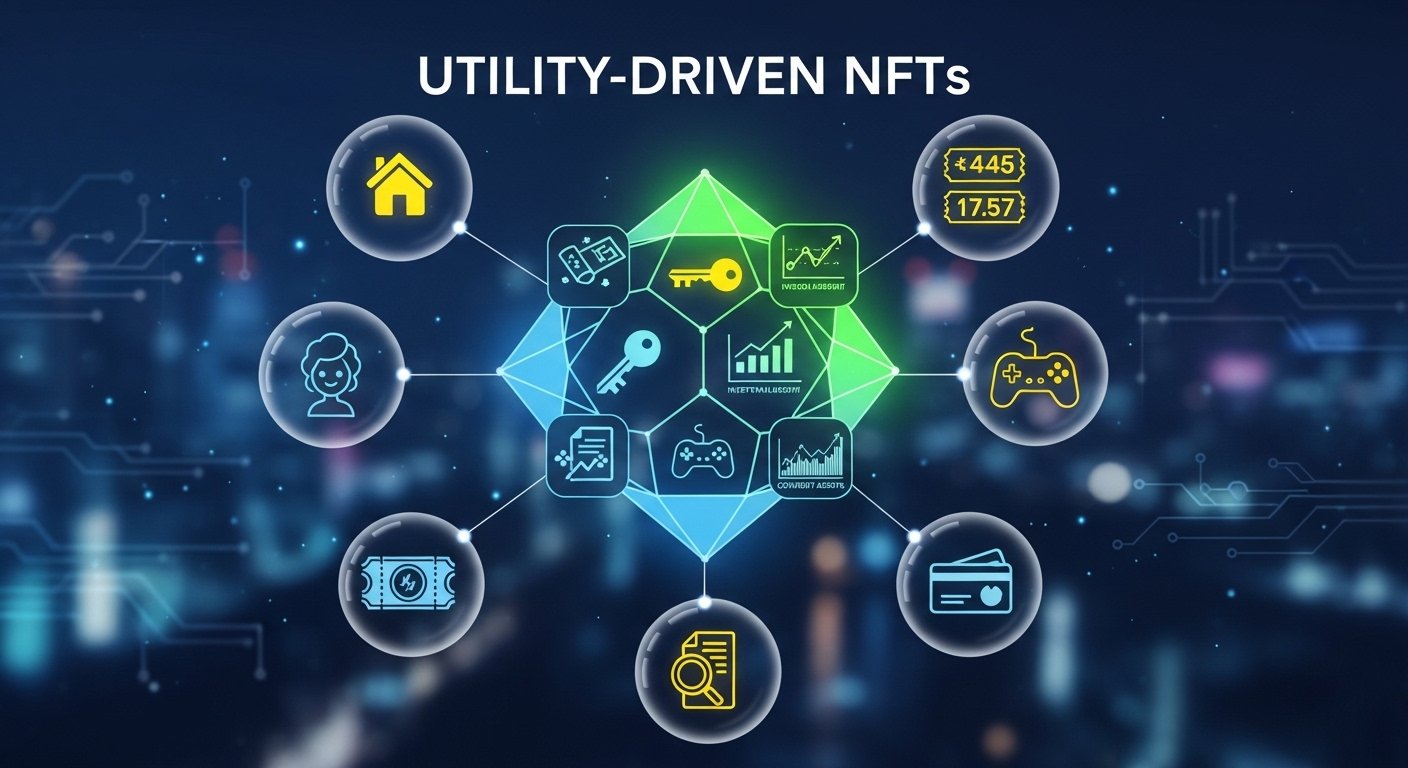
Fashion brands, music labels, sports teams, and real estate companies are launching their own platforms to tokenize assets. This expansion into traditional sectors has increased the demand for custom marketplaces tailored to specific industries.
Cross-chain compatibility is also gaining traction. Instead of being tied to a single blockchain, many marketplaces now support multiple networks, allowing users to trade assets across different ecosystems. This flexibility enhances liquidity and improves user experience.
Core Components of an NFT Marketplace
Blockchain Infrastructure
The foundation of any successful NFT marketplace development project is the underlying blockchain infrastructure. The choice of blockchain determines transaction speed, fees, scalability, and security.
Popular options include networks known for their smart contract capabilities and large developer communities. In 2026, many projects opt for scalable chains or Layer-2 solutions to ensure low fees and high throughput. The goal is to provide a seamless experience for users while maintaining decentralization.
Smart Contracts and Token Standards
Smart contracts are the backbone of any NFT marketplace. They automate processes such as minting, buying, selling, and transferring tokens. These contracts also handle royalty payments, ensuring that creators receive a percentage of future sales.
Token standards play a crucial role in interoperability. Standards define how NFTs behave and interact across platforms. Using widely accepted standards ensures compatibility with wallets, marketplaces, and other decentralized applications.
User Interface and Experience
In 2026, user experience is one of the most important factors in NFT marketplace development. Early platforms often required technical knowledge, making them difficult for mainstream users. Modern marketplaces prioritize intuitive interfaces and seamless onboarding.
Features such as social logins, custodial wallets, and fiat payment options have made NFTs more accessible. A clean design, fast loading times, and easy navigation are essential for attracting and retaining users.
Types of NFT Marketplaces
General Marketplaces
General NFT marketplaces allow users to trade a wide range of digital assets, from art to collectibles. These platforms aim to attract a broad audience and typically feature high liquidity.
Such marketplaces often include advanced search filters, trending collections, and social features. They serve as the central hubs of the NFT ecosystem.
Niche and Industry-Specific Marketplaces
Niche marketplaces focus on specific industries or asset types. For example, gaming platforms allow players to trade in-game items, while music marketplaces enable artists to sell songs or concert tickets as NFTs. Industry-specific platforms provide tailored features that general marketplaces may lack. This specialization can lead to stronger communities and more targeted marketing strategies.
White-Label and Custom Marketplaces
White-label solutions are pre-built platforms that can be customized and launched quickly. They are ideal for startups or brands looking to enter the NFT space without building a marketplace from scratch.
Custom marketplaces, on the other hand, are built specifically for a client’s requirements. While they require more time and investment, they offer complete control over features, branding, and functionality.
Key Features of a Modern NFT Marketplace
Advanced Search and Filtering
Modern platforms provide sophisticated search tools that allow users to find assets based on categories, price ranges, creators, and blockchain networks. This improves usability and increases transaction rates.
Multi-Wallet and Payment Support
Supporting multiple wallets and payment methods is essential in NFT marketplace development. In addition to crypto wallets, many platforms now accept credit cards and digital payment systems, making them more accessible to mainstream users.
Royalties and Revenue Models
One of the most attractive aspects of NFTs for creators is the ability to earn royalties from secondary sales. Marketplaces must implement smart contract automation to ensure accurate and timely royalty distribution.
Revenue models for marketplaces typically include listing fees, transaction commissions, and premium features. Some platforms also offer subscription tiers for advanced tools and analytics.
Technology Stack for NFT Marketplace Development
Frontend Technologies
Frontend development focuses on the visual and interactive aspects of the platform. Modern marketplaces use responsive frameworks to ensure compatibility across devices. Performance optimization is crucial, as slow interfaces can drive users away. Real-time updates, smooth animations, and responsive design enhance the overall experience.
Backend and APIs
The backend handles data processing, user authentication, and communication with the blockchain. A robust backend architecture ensures reliability and scalability.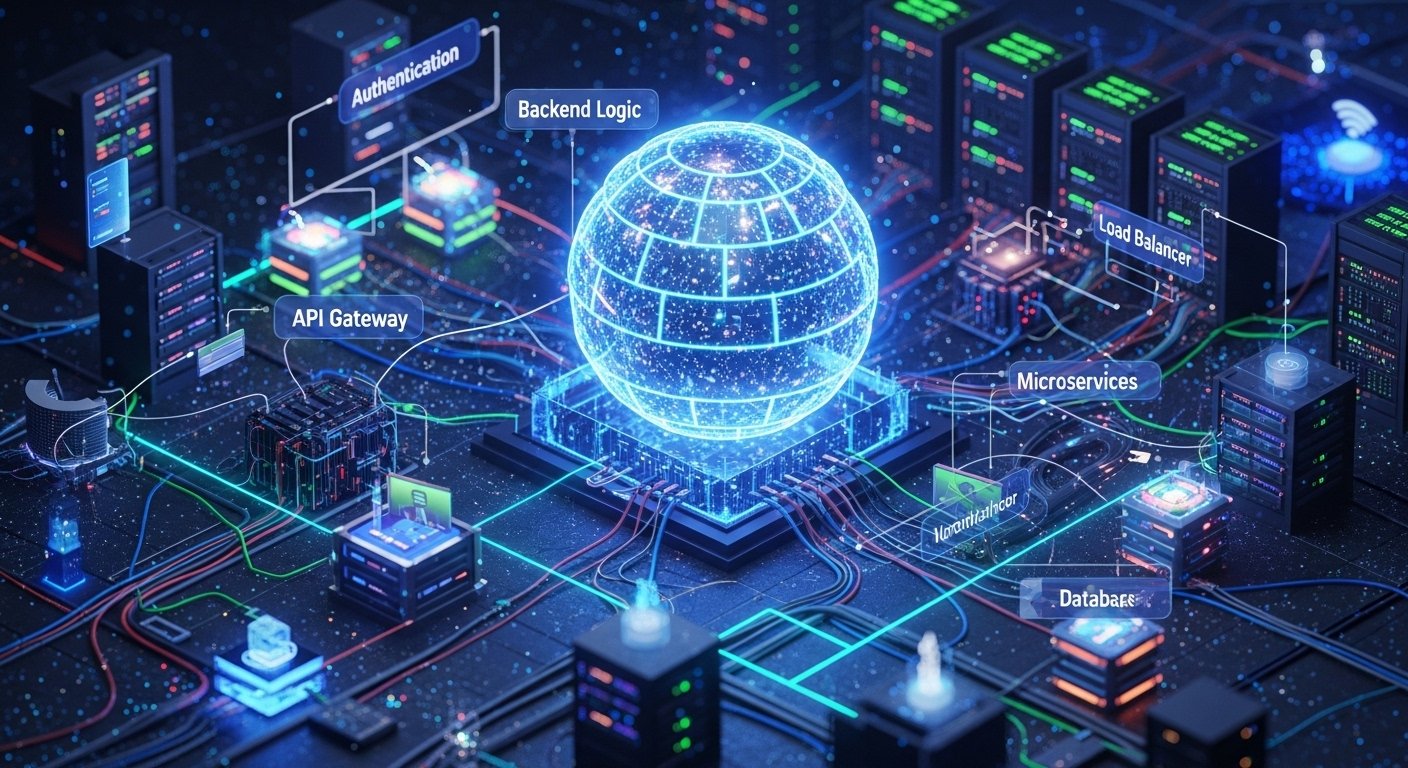
APIs allow integration with external services such as wallets, analytics tools, and payment gateways. This modular approach makes it easier to expand functionality over time.
Storage Solutions
NFTs often include large media files such as images, videos, or 3D models. Decentralized storage solutions are commonly used to ensure data integrity and availability. Using distributed storage reduces the risk of data loss and aligns with the decentralized nature of blockchain technology.
Security Considerations in NFT Marketplace Development
Security is a top priority in any NFT marketplace development project. The decentralized nature of blockchain does not eliminate risks; it simply changes the attack vectors.
Smart contract vulnerabilities can lead to significant financial losses. Thorough code audits and testing are essential before launching a marketplace. Implementing multi-signature wallets and secure authentication systems further enhances protection. User education also plays a critical role. Many security incidents occur due to phishing attacks or compromised private keys. Marketplaces must provide clear guidelines and tools to help users protect their assets.
Monetization Strategies for NFT Marketplaces
Successful NFT marketplace development requires a sustainable revenue model. The most common approach is charging a percentage fee on each transaction. This model aligns the platform’s earnings with user activity.
Another strategy involves premium features. Advanced analytics, promotional tools, and priority listings can be offered through subscription plans. This creates a recurring revenue stream while providing additional value to users. Some marketplaces also generate income through partnerships, advertising, or exclusive drops. These collaborations can attract new users and increase overall platform activity.
Steps to Build an NFT Marketplace in 2026
Market Research and Planning
The first step in NFT marketplace development is understanding the target audience and industry trends. Identifying a niche or unique value proposition can help a new platform stand out in a competitive market.
Choosing the Right Blockchain
Selecting the appropriate blockchain is crucial. Factors such as transaction costs, scalability, and community support should be considered. Many projects now use multi-chain approaches to maximize flexibility.
Designing the Platform Architecture
A well-structured architecture ensures smooth operation and future scalability. This includes defining smart contract logic, database structures, and user interface flows.
Development and Testing
During this stage, developers build the platform’s frontend, backend, and smart contracts. Extensive testing is essential to identify and fix potential issues before launch.
Launch and Marketing
Once the platform is ready, a strategic launch plan is required. Marketing campaigns, partnerships, and community-building efforts can help attract initial users and creators.
Legal and Regulatory Considerations
In 2026, regulations around digital assets are more defined than in previous years. However, laws still vary across regions. Businesses involved in NFT marketplace development must ensure compliance with local regulations.
Issues such as intellectual property rights, taxation, and user data protection must be addressed. Consulting legal experts and implementing clear terms of service can help avoid potential disputes.
The Future of NFT Marketplace Development
The future of NFT marketplace development lies in deeper integration with everyday life. As blockchain technology becomes more mainstream, NFTs will likely be used for identity verification, ticketing, real estate, and intellectual property management.
Interoperability will play a key role. Users will expect to move assets seamlessly across different platforms and virtual worlds. Marketplaces that support cross-platform functionality will have a competitive advantage. Artificial intelligence and data analytics will also shape the next generation of marketplaces. Personalized recommendations, fraud detection, and automated pricing tools will enhance efficiency and user experience.
Conclusion
The NFT ecosystem has matured significantly, evolving from a speculative trend into a practical and diverse digital economy. In 2026, NFT marketplace development is no longer just about selling digital art; it is about building platforms that support real-world utility, scalability, and user-friendly experiences.
Entrepreneurs entering this space must focus on strong infrastructure, intuitive design, robust security, and sustainable monetization models. With the right strategy, an NFT marketplace can become a powerful engine for digital commerce, turning simple pixels into profitable and long-lasting assets.
FAQs
Q: What is NFT marketplace development and why is it important in 2026?
NFT marketplace development refers to the process of creating platforms where users can mint, buy, sell, and trade non-fungible tokens. In 2026, it has become important because NFTs now represent a wide range of digital and physical assets, including art, gaming items, intellectual property, and real estate. Marketplaces serve as the core infrastructure that enables these assets to be traded securely and transparently.
Q: How much does it cost to build an NFT marketplace in 2026?
The cost of NFT marketplace development depends on factors such as features, blockchain selection, and design complexity. A basic marketplace with standard features may require a moderate investment, while a fully custom platform with advanced tools, cross-chain support, and enterprise-level security can cost significantly more. Development timelines and team size also influence the final budget.
Q: Which blockchain is best for NFT marketplace development?
The best blockchain for NFT marketplace development depends on the project’s goals. Some networks offer lower transaction fees and faster speeds, while others provide stronger security and larger user communities. Many platforms now support multiple blockchains to give users greater flexibility and reduce reliance on a single network.
Q: How do NFT marketplaces make money?
NFT marketplaces typically earn revenue through transaction fees, listing charges, and premium features. Some platforms also generate income through partnerships, advertising, or exclusive NFT drops. The chosen monetization model often depends on the platform’s target audience and business strategy.
Q: What are the biggest challenges in NFT marketplace development?
The biggest challenges include ensuring security, maintaining scalability, and complying with regulations. Developers must address smart contract vulnerabilities, protect user data, and design platforms that can handle large transaction volumes. At the same time, they must stay updated with evolving legal frameworks and industry standards.
