

Unity Boss Predicts AI Will Create Games From Simple Prompts the video game industry has always evolved alongside technological innovation. From the early days of pixelated arcade cabinets to the photorealistic open worlds of today, each generation of technology has reshaped how games are built and played. Now, the industry appears to be approaching another major turning point, this time driven by artificial intelligence, natural language game development, and generative game engines.
Unity, one of the most widely used game engines in the world, is positioning itself at the center of this shift. The company’s leadership has recently made bold claims about the future of AI-driven game creation, suggesting that developers may soon be able to build entire casual games simply by describing them in natural language. This statement marks a significant change in tone from earlier criticisms of industry trends, particularly around the metaverse.
Not long ago, Unity’s leadership openly questioned the practicality of the metaverse, describing certain aspects of it as misguided or overhyped. But the company’s focus has now clearly shifted toward a different technological frontier: AI. The new vision centers on tools that promise to make game development automation not only possible but accessible to a much broader audience.
If these claims hold true, the implications could be massive. The barrier to entry for game development could shrink dramatically, and the pace at which games are created could accelerate. Indie developers, hobbyists, and even non-technical creators may gain the ability to produce interactive experiences without traditional programming skills. We explores what Unity’s AI vision really means, how natural language could transform game development, and what the future might hold for developers and the broader gaming industry.
Unity Boss Predicts AI Will Create Games
Unity’s leadership previously made headlines by questioning the practicality and hype surrounding the metaverse. At a time when many tech companies were investing heavily in virtual worlds, Unity took a more cautious stance. The company’s leadership argued that certain aspects of the metaverse were being oversold, particularly when it came to real-world usability and consumer demand.
However, while the company showed skepticism toward the metaverse narrative, it never stepped away from innovation. Instead, Unity began investing more aggressively in AI-powered development tools, procedural content generation, and machine learning for games.
This strategic pivot reflects a broader trend across the tech industry. While the metaverse concept struggled to gain mainstream traction, AI quickly captured the attention of developers, investors, and consumers alike. The rise of generative AI, AI coding assistants, and automated design tools has made it clear that artificial intelligence could have a more immediate and practical impact than large-scale virtual worlds.
Unity’s leadership appears to recognize this shift. Rather than focusing on abstract virtual universes, the company is now emphasizing tools that directly improve how games are built.
What Unity’s New AI Technology Promises
At the heart of Unity’s new vision is a powerful concept: prompt-based game creation. The idea is simple but revolutionary. Instead of writing code, building assets, and configuring systems manually, developers could describe a game in natural language, and the AI would generate the core experience.
For example, a developer might type a prompt such as: “Create a casual puzzle game where players match colored tiles in a relaxing forest environment.” The AI system would then generate the core mechanics, environment, user interface, and possibly even sound design.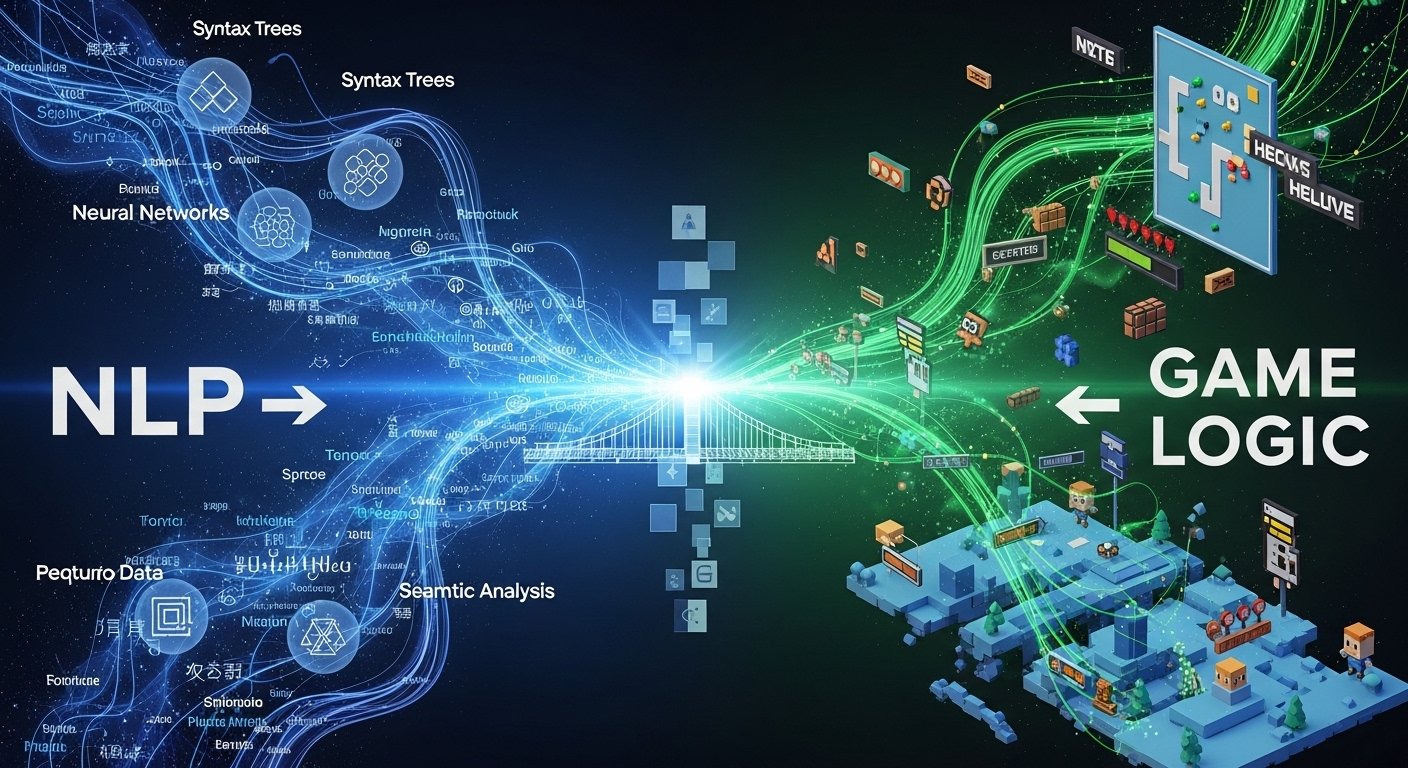
This approach relies on several advanced technologies working together. These include generative design systems, AI asset creation, natural language processing, and automated game logic generation.
The goal is not just to speed up development but to fundamentally change how games are created. Instead of being limited by technical skills, creators could focus on ideas and concepts.
How Natural Language Game Development Works
AI Understanding of Game Concepts
Natural language game development depends on AI models that can interpret human instructions and translate them into structured game elements. These systems must understand not only language but also gameplay mechanics, visual styles, and user interactions.
For instance, when a developer describes a “relaxing casual game,” the AI must infer appropriate colors, sound design, pacing, and mechanics. This requires extensive training on game data, design principles, and player behavior patterns.
Automated Asset Generation
Another key component is AI-generated assets. Instead of manually modeling characters or designing environments, developers could rely on AI tools to create them instantly. These assets might include:
3D characters
Textures and materials
Background environments
User interface elements
Animations and effects
By automating asset creation, AI significantly reduces the time required to build even simple games.
AI-Generated Game Logic
Beyond visuals, the AI must also handle gameplay mechanics. This involves generating scripts, rules, and systems that define how the game works.
For example, in a casual puzzle game, the AI would create matching rules, scoring systems, difficulty progression, and user input handling. The system would also test and refine these mechanics to ensure they function properly.
Why Casual Games Are the First Target
Unity’s focus on casual games is a strategic decision. Casual games typically have simpler mechanics, shorter development cycles, and broader audiences. They are also easier for AI systems to generate compared to complex AAA titles.
Casual games often rely on familiar mechanics such as:
Match-three puzzles
Endless runners
Simple platformers
Idle clickers
Physics-based puzzles
Because these mechanics are widely understood and documented, AI systems can learn them more easily. This makes casual games an ideal starting point for AI-powered game engines.
Over time, the technology could expand into more complex genres, including RPGs, strategy games, and even open-world experiences.
The Impact on Game Developers
Lower Barriers to Entry
One of the most significant effects of AI-driven game creation is the reduction of technical barriers. Traditionally, building a game required knowledge of programming languages, 3D modeling, and game engine workflows.
With natural language game development, even non-programmers could create playable experiences. This opens the door for:
Independent creators
Writers and storytellers
Artists without coding skills
Students and hobbyists
As a result, the number of people capable of making games could increase dramatically.
Faster Prototyping and Iteration
AI tools also promise to accelerate the prototyping process. Instead of spending weeks building a prototype, developers could generate one in minutes.
This allows teams to:
Test multiple ideas quickly
Refine gameplay concepts faster
Reduce development costs
Experiment with new mechanics
Faster iteration cycles often lead to more creative and polished final products.
Challenges and Limitations of AI-Generated Games
While the promise of AI-driven game creation is exciting, several challenges remain.
Quality Control
AI-generated content may not always meet professional standards. Developers will still need to review, edit, and refine AI-created assets and mechanics.
Originality Concerns
There is also the question of originality. If many developers rely on similar AI tools, games could start to feel repetitive or formulaic. Ensuring creative diversity will be an important challenge.
Technical Constraints
Even with advanced AI, complex systems such as large open worlds, realistic physics, or multiplayer networking may still require human expertise.
How AI Could Reshape the Gaming Industry
A Surge in Indie Game Creation
As AI lowers development barriers, the number of indie games could grow significantly. This could lead to a more diverse and experimental gaming landscape.
New Roles for Developers
Rather than replacing developers, AI is more likely to change their roles. Developers may spend less time on repetitive tasks and more time on:
Creative direction
Game design
Storytelling
Player experience
In this new environment, developers act more like directors guiding AI tools.
Faster Market Cycles
With AI-assisted development, games could reach the market faster. This could lead to shorter development cycles and more frequent releases.
The Competitive Landscape
Unity is not alone in exploring AI-driven game development. Other companies are also investing heavily in AI game engines, procedural generation, and automated development tools.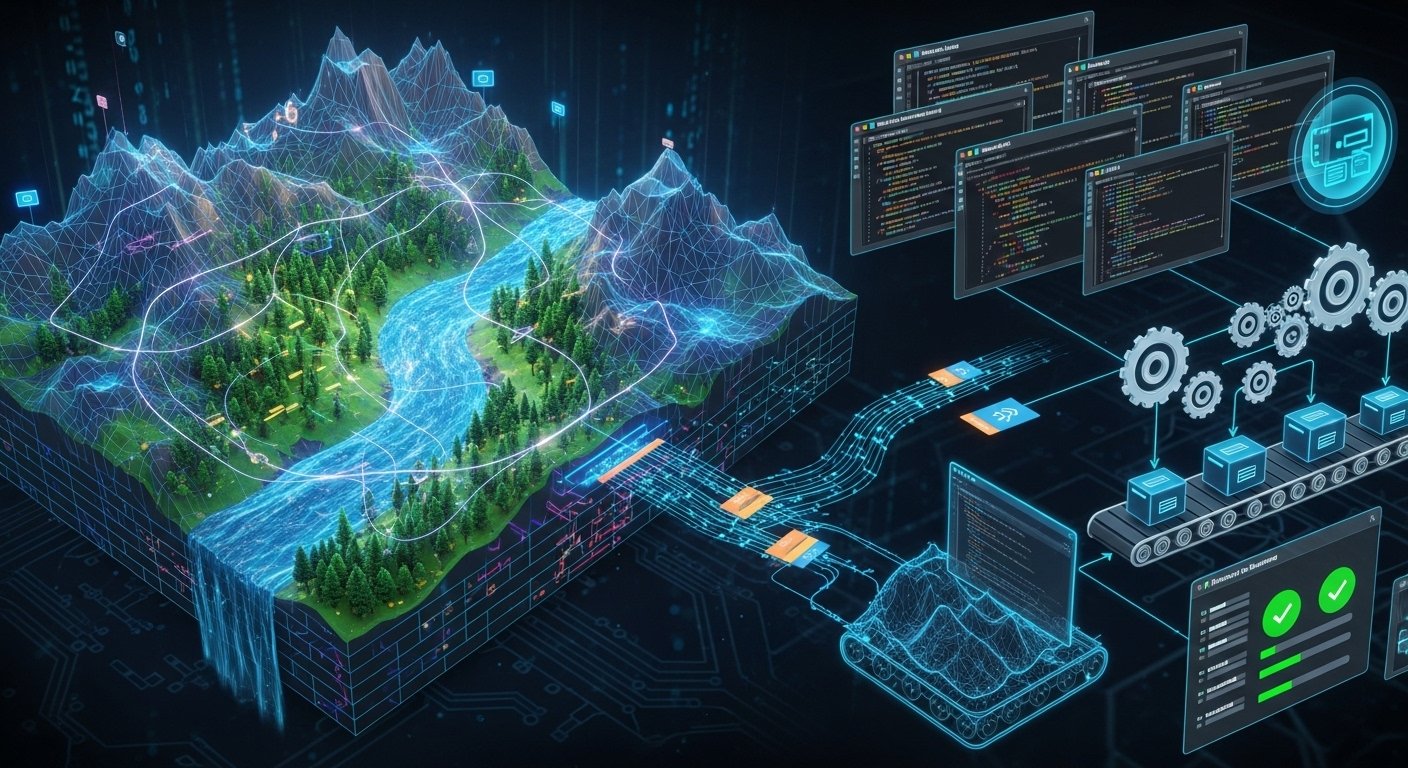
Major tech companies and game engine providers are racing to build tools that simplify the creation process. The company that delivers the most reliable and user-friendly AI tools could gain a major advantage in the industry. Unity’s existing user base gives it a strong starting position. Millions of developers already use the engine, making it easier to integrate new AI features.
The Ethical and Creative Questions Ahead
The rise of AI in game development also raises important questions.
Who owns AI-generated assets?
How will AI affect game industry jobs?
Will games become more formulaic?
How will players respond to AI-created content?
These questions will shape the future of the industry as AI tools become more advanced.
What This Means for the Future of Game Creation
Unity’s vision of natural language game development represents a major shift in how games might be created. If developers can generate full casual games using simple prompts, the industry could become more accessible than ever before.
The next generation of game creators may not start with code. Instead, they may begin with ideas, stories, and prompts, using AI as their primary development tool. This could lead to an explosion of creativity, with more people contributing to the gaming world than ever before.
Conclusion
Unity’s bold claims about AI-driven game creation signal a transformative moment for the industry. After distancing itself from the hype surrounding the metaverse, the company is now placing its bets on artificial intelligence as the next major evolution in game development.
The promise of generating full casual games through natural language alone could dramatically lower the barriers to entry, speed up production, and empower a new generation of creators. While challenges remain, the potential benefits are enormous.
If Unity succeeds in delivering on this vision, the future of game development may look very different. Instead of writing lines of code, developers may soon be writing sentences that bring entire game worlds to life.
FAQs
Q: How realistic is the idea of creating full games using natural language prompts?
The concept is becoming increasingly realistic as AI models grow more advanced. Current tools can already generate code, images, and simple game mechanics. However, creating fully polished commercial games entirely through prompts is still a developing technology. In the near term, AI is more likely to assist developers rather than replace traditional workflows entirely.
Q: Will AI replace human game developers in the future?
AI is unlikely to replace developers completely. Instead, it will change how they work. Developers will focus more on creative direction, storytelling, and design decisions, while AI handles repetitive tasks like asset creation and basic coding. This shift could make development more efficient and creative.
Q: Why is Unity focusing on casual games for its AI tools first?
Casual games are easier for AI to generate because they typically rely on simpler mechanics and shorter development cycles. This makes them ideal testing grounds for new technologies. Once the tools become more advanced, they may expand into more complex genres.
Q: What are the main challenges of AI-generated game development?
The main challenges include maintaining quality, ensuring originality, and handling complex technical systems. AI-generated content may require human refinement, and developers will still need to guide the creative direction of projects.
Q: How could AI change the future of the gaming industry overall?
AI could make game development more accessible, faster, and more creative. It may lead to a surge in indie game creation, shorter development cycles, and entirely new types of interactive experiences. Over time, AI could become a standard part of the game development process.
