


Blockchain Application Development Guide A Realistic Budget Blockchain technology has moved beyond its early association with cryptocurrencies and is now powering a wide range of digital solutions across finance, logistics, healthcare, gaming, and identity management. Businesses are exploring blockchain to build secure, transparent, and decentralized systems that reduce intermediaries and enhance trust. However, one of the biggest questions decision-makers face is how much it actually costs to build such a solution.
This blockchain application development guide focuses on a realistic budget perspective rather than hype or exaggerated promises. Many companies underestimate costs by focusing only on coding, ignoring the full lifecycle of planning, security, infrastructure, and maintenance. Others overspend because they do not clearly define their requirements. A well-planned budget ensures that a blockchain project remains sustainable and delivers measurable value.
Understanding the financial side of development requires examining the type of blockchain, the complexity of the application, the team structure, the required features, and the long-term operational expenses. This guide explains each of these components in detail, helping startups, enterprises, and product managers plan a practical investment strategy.
Blockchain Application Development Guide
Blockchain application development involves creating decentralized software that runs on distributed networks rather than centralized servers. These applications, often called decentralized applications, rely on smart contracts, distributed ledger technology, and cryptographic security to function.
Unlike traditional software, blockchain solutions require additional planning around consensus mechanisms, transaction fees, network scalability, and security audits. This makes the development process more complex and often more expensive than conventional application development.
A realistic budget must account for not only coding but also architecture design, testing, compliance, and ongoing network costs.
Key Factors That Influence Blockchain Development Costs
Type of Blockchain Network
One of the biggest factors affecting the budget is the type of blockchain network chosen. Public blockchains like those used in cryptocurrency development are open and decentralized, while private or consortium blockchains are controlled by specific organizations.
Public networks may reduce infrastructure costs but require transaction fees and more extensive security measures. Private blockchains, on the other hand, may have higher setup costs but offer better control, speed, and customization. The choice between public, private, or hybrid models directly impacts development time, infrastructure requirements, and operational expenses.
Complexity of the Application
The more features an application includes, the higher the development cost. A simple smart contract development project for token transfers may cost significantly less than a full-scale decentralized finance platform or enterprise supply chain system.
Complex applications often include:
Token integration
Digital identity systems
Multi-signature wallets
Cross-chain interoperability
Real-time analytics dashboards
Each additional feature requires more coding, testing, and security measures, increasing the overall budget.
Consensus Mechanism
The consensus mechanism determines how transactions are validated on the blockchain. Different mechanisms such as Proof of Work, Proof of Stake, or delegated models require different infrastructure setups.
Some consensus models demand heavy computational power, while others focus on energy efficiency and speed. The chosen mechanism affects both initial development and long-term operating costs.
Integration with Existing Systems
Many organizations do not build blockchain solutions from scratch. Instead, they integrate them into existing software ecosystems, such as enterprise resource planning systems or financial platforms.
Integration requires APIs, data synchronization, and additional testing, which increases both development time and cost.
Cost Breakdown of Blockchain Application Development
Planning and Research Phase
The initial stage involves market research, feasibility analysis, and requirement gathering. This phase ensures that the project has a clear objective and realistic expectations.
During this phase, teams define:
Use cases
Technical architecture
Security requirements
Compliance considerations
The planning phase typically accounts for around 5–10 percent of the total budget.
Design and Architecture
This stage includes UI/UX design, system architecture planning, and database structure decisions. In blockchain applications, architecture must consider node communication, transaction flow, and consensus logic.
A well-designed architecture reduces long-term costs by preventing performance and scalability issues.
Core Development Phase
This is the most resource-intensive part of the project. It includes:
Smart contract coding
Backend development
Frontend interface design
API integration
Wallet functionality
Depending on complexity, this phase can account for 40–60 percent of the total development cost.
Testing and Security Audits
Blockchain applications handle valuable assets and sensitive data. Security is therefore a critical component of the budget.
This stage includes:
Unit testing
Integration testing
Performance testing
Third-party smart contract audit
Penetration testing
Security audits alone can represent 10–20 percent of the total cost, especially for financial or enterprise applications.
Deployment and Launch
Once development and testing are complete, the application is deployed on the blockchain network. This stage includes:
Node setup
Cloud infrastructure
Domain configuration
Final quality checks
Deployment costs vary depending on the network and infrastructure choices.
Maintenance and Updates
Blockchain applications require ongoing maintenance. Smart contracts may need upgrades, and the user interface must evolve with market demands.
Maintenance costs usually account for 15–25 percent of the original development cost per year.
Average Cost Ranges for Blockchain Applications
Basic Blockchain Application
A simple application with limited functionality, such as a token system or basic wallet, typically costs between $15,000 and $40,000. These projects usually involve small teams and shorter timelines.
Mid-Level Blockchain Platform
A medium-complexity application, such as a decentralized marketplace or supply chain solution, generally costs between $50,000 and $120,000. These projects include multiple features, integrations, and moderate security requirements.
Enterprise-Grade Blockchain System
Large-scale solutions for banks, healthcare systems, or global logistics networks can cost anywhere from $150,000 to $500,000 or more. These projects require advanced blockchain architecture, extensive testing, compliance planning, and long-term support.
Team Structure and Its Impact on Budget
The composition of the development team significantly affects costs. A typical blockchain project team includes:
Project manager
Blockchain developer
Backend developer
Frontend developer
UI/UX designer
Quality assurance engineer
Security specialist
Hiring a full in-house team is often more expensive than working with an external development agency, but it offers more control over the project.
Freelancers may reduce short-term costs, but coordination challenges and inconsistent quality can increase long-term expenses.
Technology Stack and Cost Implications
The choice of technology stack also affects the budget. Different frameworks, programming languages, and blockchain platforms require different levels of expertise.
Popular stacks involve:
Ethereum development tools
Hyperledger frameworks
Solidity programming
Node.js backends
React or Angular frontends
Some platforms have extensive developer communities and ready-made libraries, reducing development time and cost. Others require custom solutions, which increase expenses.
Hidden Costs in Blockchain Projects
Transaction Fees
Public blockchain networks charge transaction fees. High network activity can significantly increase these costs, especially for applications with frequent transactions.
Regulatory Compliance
Industries like finance and healthcare must comply with strict regulations. Legal consultations, compliance checks, and documentation add to the overall budget.
Scalability Solutions
As user demand grows, the application may need layer-2 scaling, sidechains, or additional nodes. These upgrades require extra development and infrastructure costs.
User Support and Operations
Customer support, system monitoring, and operational staff also contribute to long-term expenses.
How to Reduce Blockchain Development Costs
Start with a Minimum Viable Product
Instead of building a full-featured application immediately, businesses can start with a minimum viable product. This approach focuses on core features and allows teams to test the market before investing heavily.
Choose the Right Blockchain Platform
Selecting a platform that aligns with the project’s needs prevents unnecessary expenses. For example, private blockchains may be more cost-effective for internal enterprise use.
Use Existing Frameworks and Libraries
Leveraging established blockchain frameworks and open-source tools reduces development time and costs.
Outsource Strategically
Outsourcing certain parts of the project, such as UI design or security audits, can help control expenses while maintaining quality.
Budgeting Tips for Startups and Enterprises
Startups should focus on cost efficiency and scalability. Instead of investing heavily upfront, they should adopt an iterative approach, launching small features and expanding over time.
Enterprises, on the other hand, should prioritize security, compliance, and long-term performance. While their initial investment may be higher, it often results in more stable and scalable solutions. In both cases, a clear roadmap and realistic expectations are essential for controlling costs.
Timeline and Cost Relationship
The timeline of a blockchain project directly affects its budget. Shorter timelines often require larger teams and higher hourly rates, increasing the overall cost.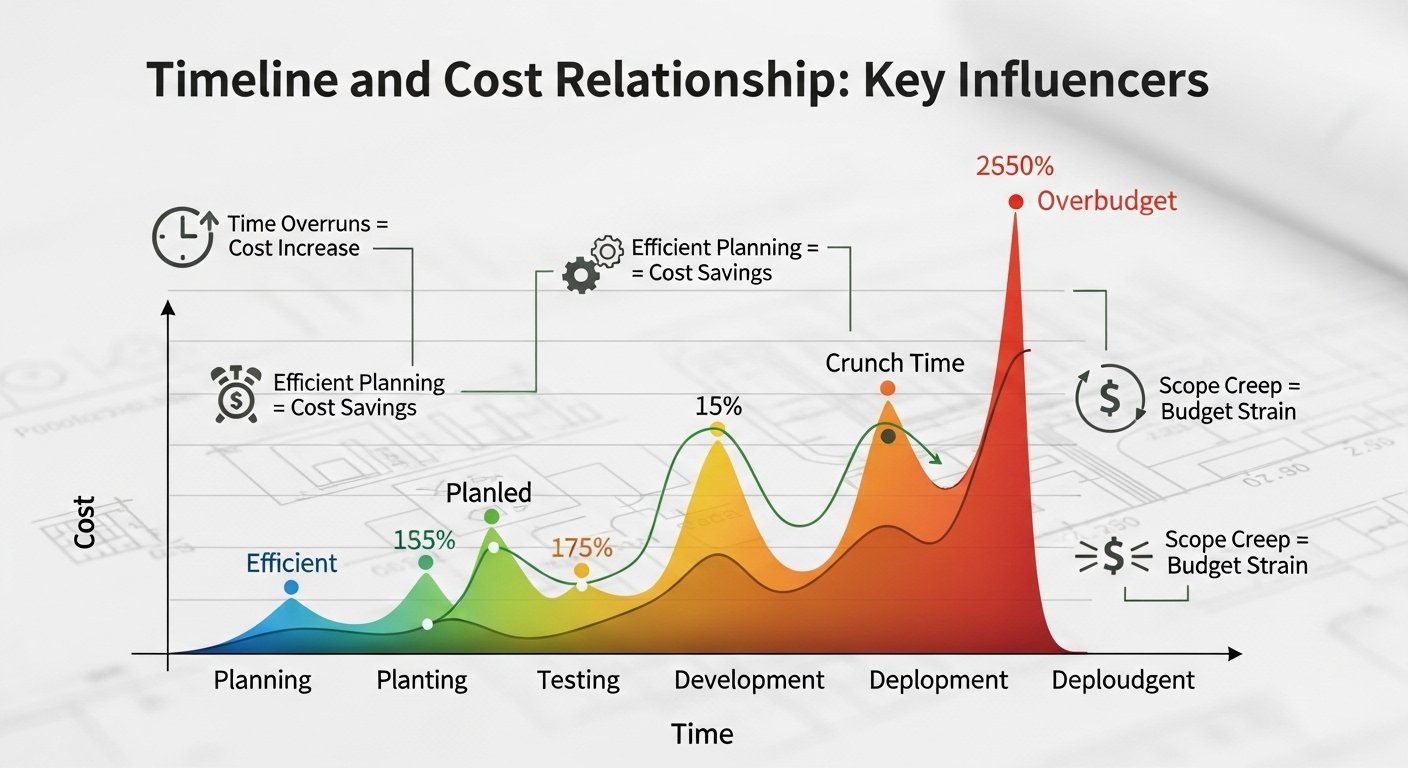
Typical development timelines include:
Basic applications: 2–3 months
Mid-level platforms: 4–6 months
Enterprise solutions: 8–12 months or more
A realistic timeline ensures that quality and security are not compromised for speed.
Return on Investment in Blockchain Development
Although blockchain projects may seem expensive initially, they can deliver significant long-term benefits. These include:
Reduced operational costs
Improved transparency
Faster transactions
Enhanced security
Elimination of intermediaries
A well-planned blockchain solution can provide strong returns by improving efficiency and building trust among users.
Conclusion
Blockchain technology offers transformative potential, but building a successful application requires careful financial planning. A realistic budget must consider every stage of development, from research and architecture to security audits and long-term maintenance.
The cost of a blockchain application depends on multiple factors, including network type, complexity, team structure, and technology stack. Simple projects may cost under $50,000, while enterprise solutions can exceed several hundred thousand dollars.
By starting with a clear use case, choosing the right platform, and adopting an incremental development approach, businesses can control costs and maximize the return on their investment. A thoughtful budgeting strategy ensures that blockchain adoption remains practical, sustainable, and aligned with real business goals.
FAQs
Q: How much does it typically cost to build a blockchain application from start to finish?
The total cost of a blockchain application varies widely depending on the complexity, features, and type of blockchain network used. A simple application with basic smart contracts may cost between $15,000 and $40,000, while a more advanced decentralized platform with integrations and security features can range from $50,000 to $120,000. Enterprise-grade systems that require high security, compliance, and scalability can exceed $300,000. The final cost also depends on the development team’s location, experience level, and the project timeline.
Q: What are the most expensive parts of blockchain application development?
The most expensive parts usually include core development, smart contract creation, and security audits. Core development involves building the backend, frontend, and integration layers, which can account for more than half of the total budget. Security audits are also costly because blockchain applications must be thoroughly tested to prevent vulnerabilities. In addition, complex features such as cross-chain functionality or advanced analytics increase both development time and cost.
Q: Is blockchain development more expensive than traditional software development?
In most cases, blockchain development is more expensive than traditional software development because of its complexity and security requirements. Blockchain applications require specialized developers, cryptographic systems, distributed architecture, and extensive testing. They also involve transaction fees, node infrastructure, and compliance considerations, which are not always present in traditional applications. However, the long-term savings from automation and reduced intermediaries can offset the initial investment.
Q: How can startups build a blockchain application on a limited budget?
Startups can manage costs by starting with a minimum viable product that focuses only on essential features. Choosing a suitable blockchain platform with lower transaction fees and strong developer support also helps reduce expenses. Startups should avoid unnecessary features in the early stages and use open-source frameworks whenever possible. Outsourcing certain tasks, such as UI design or security audits, can further lower costs while maintaining quality.
Q: What ongoing costs should businesses expect after launching a blockchain application?
After launch, businesses should budget for maintenance, security updates, infrastructure, and user support. Public blockchain applications may also incur ongoing transaction fees, especially if they handle a high volume of activity. Enterprises may need to pay for node hosting, cloud services, and compliance updates. On average, annual maintenance costs range from 15 to 25 percent of the original development budget, depending on the complexity of the application.
