


Tech Giants Tumble Anew in Momentum-Trade Unwind Global financial markets have entered another period of volatility as major technology stocks slide amid a renewed momentum-trade unwind. The recent pullback in high-growth tech names has sparked concerns among investors who had heavily relied on momentum strategies during the prolonged bull run. As the tech giants tumble anew, markets are recalibrating expectations around interest rates, earnings growth, and risk appetite.
The latest moves reflect a broader shift in sentiment. Investors who once piled into mega-cap technology stocks are now reassessing valuations, particularly as macroeconomic pressures and policy uncertainties intensify. The unwinding of popular trades has created ripples across global equities, bonds, and digital assets, marking a pivotal moment in the ongoing market cycle.
The momentum-trade unwind is not just about falling stock prices. It signals deeper structural changes in how capital is allocated. Funds that previously concentrated in a narrow group of high-performing names are now diversifying or reducing exposure. As a result, volatility has surged, and market leadership is becoming less predictable.
Tech Giants Tumble Anew
Momentum investing relies on buying assets that have recently outperformed, with the expectation that they will continue rising. Over the past several years, technology sector leaders dominated market performance, making them prime targets for momentum-based strategies.
As interest rates remained relatively low, capital flowed into companies with strong growth narratives. The result was a concentration of funds in a handful of big tech stocks, which pushed valuations to elevated levels. However, when macroeconomic conditions began shifting, the same momentum strategies that drove prices higher started reversing course.
The momentum-trade unwind occurs when investors simultaneously exit positions that had previously delivered strong returns. This creates a cascading effect, where selling pressure accelerates declines. In the current environment, this phenomenon is most visible in high-growth technology shares and other risk-sensitive assets.
Why Tech Giants Are Leading the Decline
The recent market downturn has been especially pronounced among major technology firms. These companies had become the backbone of global indices, and their outsized gains meant that any reversal would have significant market-wide effects.
One key factor behind the tech giants tumble anew narrative is valuation. Many of these firms were trading at premium multiples based on expectations of continued rapid growth. As interest rates rise or remain elevated, the present value of future earnings declines, making such valuations harder to justify.
Another factor is earnings uncertainty. While some tech companies continue to deliver strong results, others are facing slower revenue growth, rising costs, or regulatory pressures. This combination has led investors to question whether the tech rally can continue at the same pace as before.
The Role of Interest Rates and Monetary Policy
Monetary policy plays a crucial role in shaping investor behavior. Higher interest rates tend to weigh on growth stocks because they increase borrowing costs and reduce the appeal of future earnings.
Central banks around the world have maintained a cautious stance, signaling that rates may stay higher for longer. This has prompted a rotation away from high-valuation tech stocks into sectors that benefit from rising rates, such as financials and energy.
As a result, the momentum-trade unwind has gained momentum, with investors trimming positions in technology and reallocating capital elsewhere.
Market Liquidity and Risk Appetite
Another important factor in the recent sell-off is liquidity. When liquidity conditions tighten, speculative assets often suffer first. Technology stocks, particularly those with lofty valuations, are especially sensitive to changes in liquidity.
The decline in risk appetite has also affected related markets, including cryptocurrencies and high-yield bonds. These assets often move in tandem with tech stocks because they share similar investor bases and risk profiles.
Impact on Global Equity Markets
The tech giants tumble anew scenario has had far-reaching consequences across global markets. Because major tech firms carry significant weight in indices such as the S&P 500 and Nasdaq, their declines have dragged down overall market performance.
In Asia and Europe, technology shares have also come under pressure. Investors are increasingly cautious, leading to reduced exposure to growth-oriented sectors. This shift has contributed to broader market volatility and reduced confidence.
Rotation Into Value and Defensive Stocks
As momentum trades unwind, investors are seeking safer or more stable assets. This has led to a rotation into value stocks, dividend-paying companies, and defensive sectors such as healthcare and consumer staples.
The shift reflects a broader change in market psychology. Instead of chasing high-growth narratives, investors are prioritizing earnings stability and predictable cash flows.
Effects on Emerging Markets
Emerging markets, which often rely on global capital flows, have also felt the impact of the momentum-trade unwind. When investors reduce exposure to riskier assets, funds tend to flow back into developed markets or safer investments.
This dynamic has led to currency volatility and stock market declines in several emerging economies, particularly those with heavy technology exposure.
Bond Markets and Interest Rate Expectations
The unwind of momentum trades has coincided with shifts in bond markets. Yields have remained elevated as investors adjust expectations around central bank policy.
Higher bond yields make fixed-income investments more attractive relative to stocks, particularly high-growth tech shares. This dynamic has contributed to the ongoing tech sector pullback and reinforced the rotation into other asset classes.
The Relationship Between Yields and Tech Stocks
Technology stocks are particularly sensitive to changes in bond yields because of their growth-oriented nature. When yields rise, the discount rate applied to future earnings increases, reducing the present value of those earnings.
This relationship explains why mega-cap tech stocks often decline when bond yields climb. It also highlights the interconnected nature of financial markets.
Cryptocurrency and Digital Asset Reactions
The tech giants tumble anew trend has not been confined to traditional markets. Cryptocurrencies and other digital assets have also experienced volatility as risk appetite declines.
Many institutional investors treat cryptocurrencies as high-risk, high-reward assets, similar to technology stocks. When tech shares fall, digital assets often follow suit.
Correlation Between Tech Stocks and Crypto
The correlation between crypto markets and technology equities has increased in recent years. This is partly due to overlapping investor bases and similar narratives around innovation and growth.
As momentum trades unwind in tech, cryptocurrencies have also seen price swings, reflecting broader market sentiment.
Investor Sentiment and Market Psychology
Market psychology plays a significant role during periods of volatility. When tech giants tumble anew, it often triggers a shift in sentiment from optimism to caution.
Investors who previously relied on momentum strategies may become more risk-averse, leading to further selling pressure. This feedback loop can amplify market declines.
The Role of Institutional Investors
Institutional investors, including hedge funds and pension funds, play a major role in momentum trades. When these large players adjust their portfolios, the impact on markets can be substantial.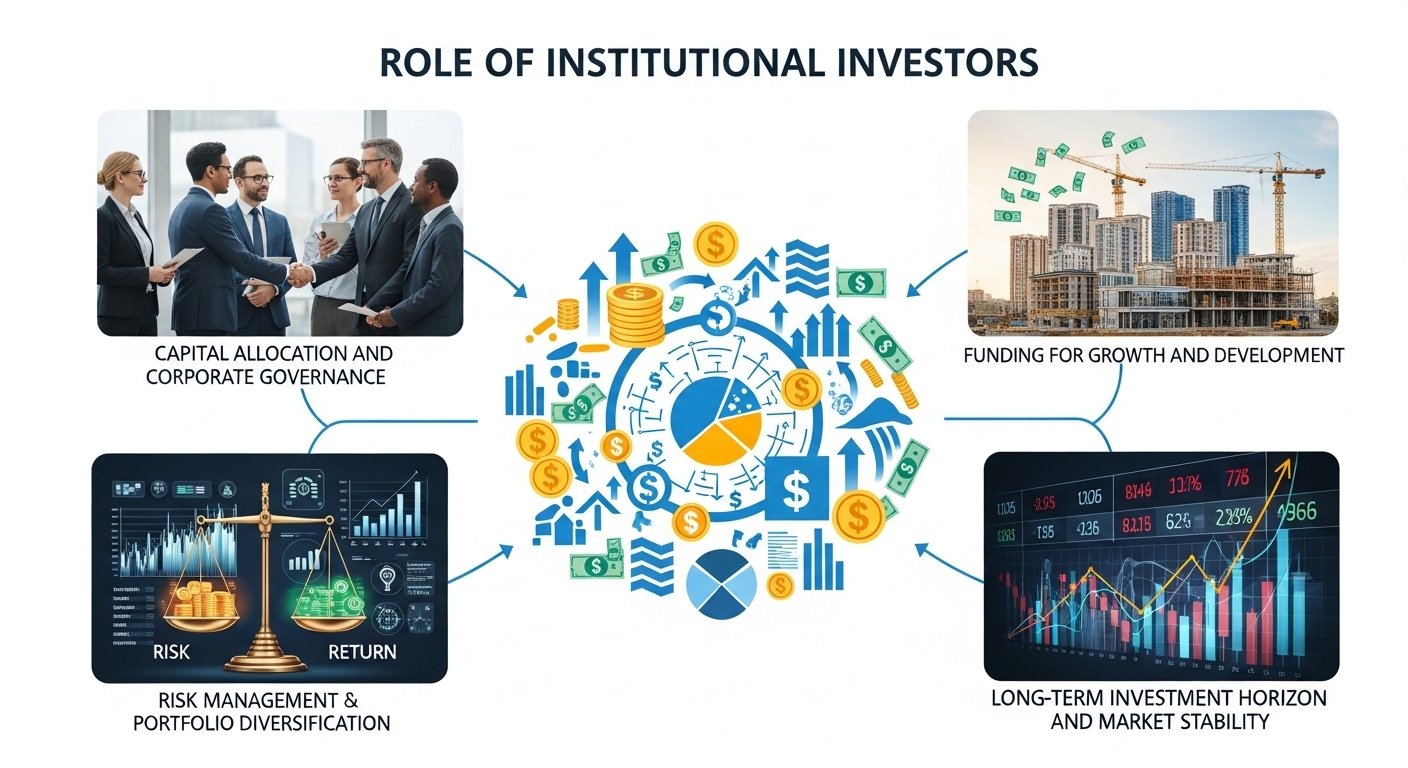
Recent data suggests that many institutions have been reducing exposure to high-growth technology names, contributing to the ongoing unwind.
Historical Context: Previous Momentum Unwinds
The current momentum-trade unwind is not unprecedented. Similar events have occurred in the past, including during the dot-com bust and other market corrections.
In each case, the unwinding of popular trades led to sharp declines in previously high-performing stocks. However, markets eventually stabilized as valuations reset and new leadership emerged.
Lessons From Past Market Cycles
Historical momentum unwinds offer several lessons. First, concentration in a small number of stocks can create systemic risks. Second, valuation matters, especially when macro conditions change.
Finally, market leadership tends to rotate over time. What works in one cycle may not perform as well in the next.
What Investors Are Watching Next
As the tech giants tumble anew, investors are closely monitoring several key factors. These include corporate earnings, central bank policies, and economic data. Any signs of stabilizing growth or easing monetary conditions could help restore confidence in technology stocks. Conversely, further tightening or disappointing earnings could extend the sell-off.
Key Indicators to Monitor
Investors are paying attention to bond yields, inflation data, and employment figures. These indicators provide clues about future interest rate decisions. Corporate earnings reports are also critical. Strong results from major tech firms could help stabilize markets, while weak guidance might accelerate the momentum-trade unwind.
Conclusion
The recent tech giants tumble anew in momentum-trade unwind reflects a broader shift in global financial markets. As investors reassess valuations, interest rates, and risk appetite, technology stocks have borne the brunt of the sell-off.
This period of volatility highlights the risks associated with concentrated momentum strategies. While the unwind has created short-term turbulence, it may also pave the way for healthier market dynamics and new leadership. For investors, the key lies in adapting to changing conditions, diversifying portfolios, and focusing on fundamentals rather than short-term trends. As markets continue to evolve, the lessons from this momentum-trade unwind will likely shape investment strategies for years to come.
FAQs
Q: Why are tech giants falling during a momentum-trade unwind?
Tech giants tend to dominate momentum strategies because they often deliver consistent growth and strong stock performance. When investors begin to exit these trades, the same stocks that once led the rally become the primary targets for selling. This creates a cascading effect where prices drop quickly, especially if valuations were already high. Rising interest rates, earnings concerns, and shifts in investor sentiment can all accelerate this process, causing large technology companies to decline more sharply than the broader market.
Q: What is a momentum trade and why does it unwind?
A momentum trade involves buying assets that have recently performed well, based on the expectation that their upward trend will continue. These strategies can become crowded when many investors hold the same positions. An unwind occurs when conditions change, such as rising interest rates or disappointing earnings, prompting investors to sell those positions at the same time. The collective selling pressure causes rapid price declines, particularly in stocks that were heavily favored by momentum investors.
Q: How do interest rates affect technology stocks?
Technology stocks are often valued based on expectations of strong future growth. When interest rates rise, the present value of those future earnings decreases because investors use higher discount rates. This makes high-growth stocks less attractive compared to assets that provide immediate income, such as bonds. As a result, rising interest rates tend to put pressure on tech stocks, especially those trading at high valuations.
Q: Does a momentum-trade unwind signal a market crash?
A momentum-trade unwind does not automatically mean a market crash. In many cases, it represents a rotation from one group of stocks to another rather than a broad-based collapse. While it can cause short-term volatility, markets often stabilize as valuations adjust and investors find new opportunities. Historical examples show that after momentum unwinds, new sectors or investment themes typically emerge as market leaders.
Q: What should investors do during periods of tech stock volatility?
During periods of volatility, investors often focus on diversification and long-term fundamentals. Instead of concentrating on a single sector, spreading investments across different industries can help manage risk. Many investors also pay closer attention to earnings quality, balance sheets, and cash flow rather than short-term price movements. Maintaining a disciplined strategy and avoiding emotional decisions is generally considered a prudent approach during momentum-driven market swings.
