

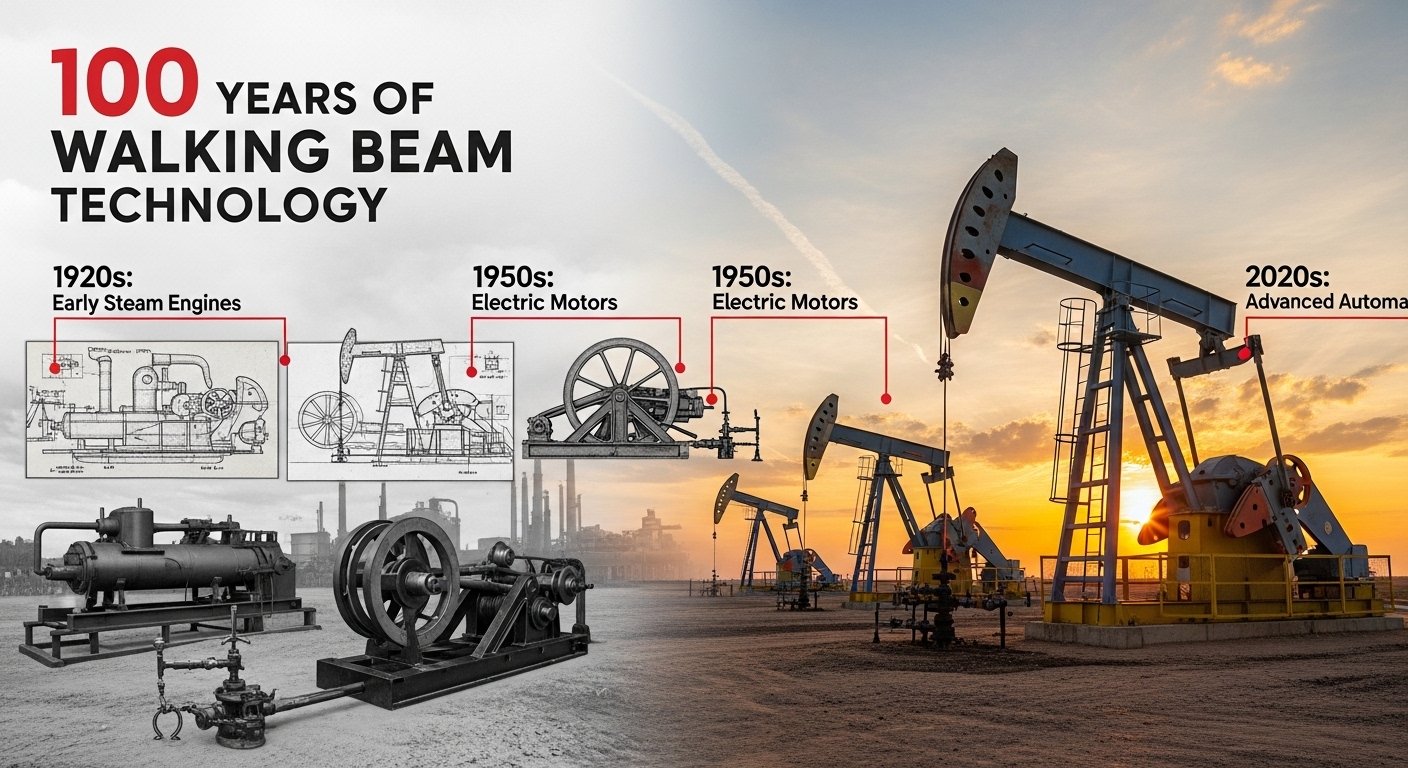
100 Years of Walking Beam Technology Evolution the story of 100 years of walking beam technology is a remarkable journey through industrial progress, mechanical ingenuity, and technological refinement. From its early mechanical roots to its modern integration with digital monitoring and advanced automation, walking beam systems have played a critical role in industries such as oil and gas, steel production, and material handling. Over the past century, this deceptively simple yet powerful mechanism has evolved into a symbol of durability, precision, and industrial reliability.
At its core, walking beam technology refers to a pivoted beam mechanism that converts rotary motion into a rhythmic lifting or reciprocating movement. While many associate it immediately with the iconic oilfield pumpjack, its applications extend far beyond petroleum extraction. The evolution of walking beam technology reflects broader industrial trends, including the transition from steam power to electric motors, the rise of heavy manufacturing, and the integration of smart industrial controls.
Understanding 100 years of walking beam technology is not just about appreciating mechanical design. It is about recognizing how incremental innovation can transform industries. From early beam engines to modern pumpjack systems, steel reheating furnaces, and automated transfer mechanisms, the walking beam has proven its adaptability and resilience.
100 Years of Walking Beam Technology
The roots of walking beam technology stretch back to the Industrial Revolution, when engineers sought efficient methods to convert energy into usable mechanical motion. Early beam engines, especially those inspired by the designs of pioneers like James Watt, laid the conceptual foundation for the walking beam mechanism. These early systems used large pivoted beams to transfer motion from steam cylinders to pumps and other machinery.
In the late nineteenth and early twentieth centuries, as industries expanded and energy demands grew, the walking beam concept found new life. Mining operations and water pumping systems adopted beam mechanisms for their durability and ability to handle heavy loads. By the early 1900s, walking beam technology had already demonstrated its reliability in harsh environments.
The first significant leap toward modern walking beam technology came with its application in oil extraction. As oil wells required consistent lifting of heavy sucker rods, engineers refined the beam mechanism into what would later become the familiar oilfield pumpjack. This marked the beginning of a century-long evolution.
Walking Beam Technology in Early Oilfields
The early decades of 100 years of walking beam technology were closely tied to the rapid expansion of the oil industry. Oil wells drilled in the early twentieth century required mechanical assistance to bring crude oil to the surface. The walking beam became the backbone of this process.
The classic oilfield pumpjack, often seen silhouetted against sunsets, uses a walking beam mounted on a central pivot. A rotating motor drives a crank, which converts circular motion into vertical reciprocating motion through the beam. This movement lifts and lowers the rod string inside the well, enabling continuous oil extraction.
In regions such as Texas and the oil-rich fields of the Middle East, walking beam technology became synonymous with industrial expansion. The simplicity of the design allowed for easy maintenance, while its mechanical efficiency ensured reliable operation under demanding conditions. During this period, improvements in counterweight balancing, gearbox engineering, and structural steel fabrication significantly enhanced performance.
Mid-Century Advancements and Industrial Diversification
By the mid-twentieth century, walking beam technology had expanded beyond oilfields. The steel industry adopted walking beam systems for reheating furnaces and material transport. In these applications, beams lifted and advanced hot steel slabs in precise increments, ensuring uniform heating and processing.
This era marked a shift from purely mechanical systems to more controlled and efficient designs. Electric motors replaced steam engines, and hydraulic components were integrated for smoother motion control. Engineers improved load distribution systems, optimized mechanical leverage ratios, and developed stronger alloys to withstand high-temperature environments.
Walking beam furnaces became essential in steel production facilities, particularly in industrial regions across Europe and Asia. The mechanism’s ability to move heavy materials without sliding contact reduced friction and wear, increasing both productivity and equipment lifespan.
The Rise of Automation in Walking Beam Systems
As the twentieth century progressed, automation began reshaping industrial landscapes. Walking beam technology was no exception. The integration of programmable logic controllers (PLCs) and electronic monitoring systems introduced a new era of precision and efficiency.
In oilfields, advanced monitoring tools allowed operators to track pump performance in real time. Sensors measured stroke length, load distribution, and motor efficiency. These innovations reduced downtime and improved overall production yields.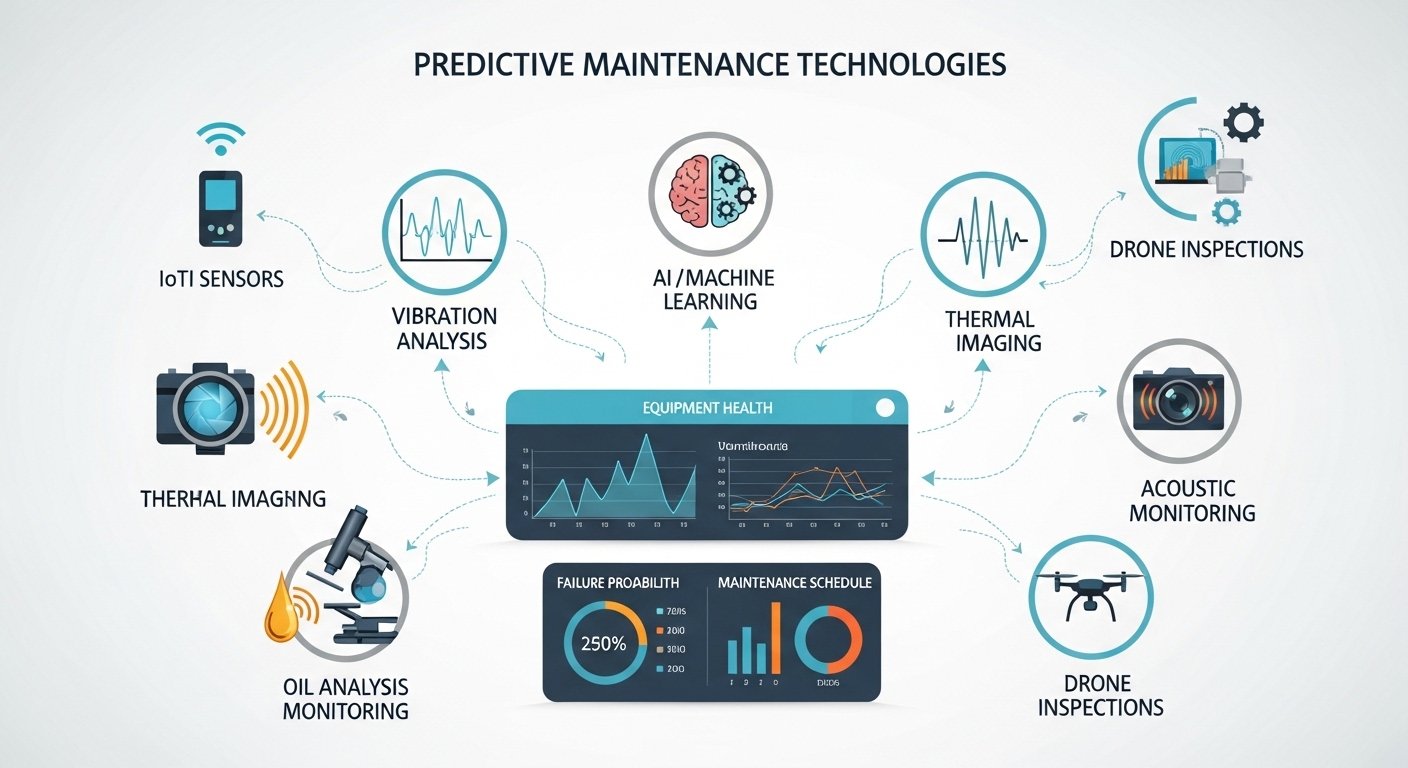
Similarly, in manufacturing, automated walking beam conveyors ensured consistent timing and synchronized movement. The use of industrial automation, motion control systems, and predictive maintenance technologies marked a turning point in 100 years of walking beam technology. The once purely mechanical device had become an intelligent industrial asset.
Engineering Principles Behind Walking Beam Technology
At its heart, walking beam technology relies on fundamental mechanical principles. A beam pivots on a central fulcrum, creating a balanced lever system. One end connects to a power source, typically through a crank mechanism, while the other end performs useful work, such as lifting or transporting materials.
The effectiveness of this design lies in leverage and balance. Counterweights offset the mass of the load, reducing the power required for operation. This efficiency makes walking beam systems particularly suitable for repetitive heavy-duty tasks.
Modern designs incorporate finite element analysis, structural stress modeling, and enhanced mechanical drive systems. Engineers analyze dynamic loads and fatigue factors to optimize beam geometry and material composition. These advancements ensure longevity even under extreme conditions.
Walking Beam Technology in the 21st Century
Entering the twenty-first century, 100 years of walking beam technology reflects a blend of tradition and innovation. While the basic mechanism remains recognizable, materials and control systems have dramatically improved.
High-strength alloys and composite materials have replaced older steel designs in some applications, reducing weight while maintaining durability. In oil extraction, variable speed drives allow more precise control over pumping cycles, adapting to changing well conditions.
Digital transformation has also introduced remote monitoring capabilities. Operators can now oversee pump performance from centralized control rooms or even mobile devices. Data analytics and artificial intelligence tools analyze operational trends, predicting potential failures before they occur.
In steel manufacturing, walking beam furnaces incorporate sophisticated temperature control algorithms. These ensure uniform heating and reduce energy consumption, aligning with modern sustainability goals.
Environmental and Efficiency Considerations
Over the last few decades, environmental awareness has influenced the evolution of walking beam technology. Energy efficiency has become a key focus. Improved motor designs, optimized counterweights, and better lubrication systems reduce power consumption.
In oilfields, enhanced walking beam systems help maximize extraction while minimizing environmental impact. Efficient pumping reduces energy waste and lowers carbon emissions per barrel produced. In industrial settings, reduced friction and precise material handling contribute to lower operational costs and improved sustainability. These improvements demonstrate how 100 years of walking beam technology continues adapting to global priorities, including environmental responsibility and energy conservation.
Global Impact and Industrial Significance
Walking beam technology has had a profound impact on global industrial development. From North America to Asia and the Middle East, it has enabled large-scale oil production and high-efficiency manufacturing.
In oil-producing nations such as Saudi Arabia, walking beam systems remain a cornerstone of onshore extraction operations. Meanwhile, advanced manufacturing hubs across Germany, Japan, and China rely on walking beam furnaces for precision steel processing.
The widespread adoption of this technology highlights its versatility. Whether lifting crude oil thousands of feet underground or transporting red-hot steel slabs across furnaces, the walking beam remains indispensable.
Challenges and Modern Innovations
Despite its proven reliability, walking beam technology faces challenges in modern industries. Competition from alternative pumping methods, such as electric submersible pumps, has prompted continuous innovation.
Manufacturers now focus on reducing noise, improving structural stability, and enhancing automation compatibility. Smart sensors detect mechanical imbalances and optimize performance in real time. Advanced coatings protect components from corrosion and wear, extending service life.
These innovations ensure that 100 years of walking beam technology is not a static history but an ongoing evolution. The integration of digital twins and real-time analytics further strengthens its relevance in Industry 4.0 environments.
The Future of Walking Beam Technology
Looking ahead, the next chapter in 100 years of walking beam technology will likely center on sustainability and smart integration. Renewable energy sources may power remote pumpjacks, while AI-driven control systems fine-tune operations for maximum efficiency.
Additive manufacturing techniques could produce lighter, stronger beam components. Robotics and automated inspection drones may handle maintenance tasks, reducing human exposure to hazardous environments. The core principle of the walking beam remains unchanged balanced motion performing reliable work. Yet its implementation will continue evolving alongside technological progress.
Conclusion
The journey of 100 years of walking beam technology is a testament to engineering resilience and adaptability. From early steam-driven beam engines to digitally monitored oilfield pumpjacks and automated steel furnaces, the walking beam has stood the test of time.
Its enduring success lies in its simplicity and efficiency. By harnessing fundamental mechanical principles, walking beam systems deliver consistent performance across industries. As automation, sustainability, and digital innovation reshape industrial landscapes, walking beam technology continues to evolve without losing its foundational identity. The next century will undoubtedly bring further refinement, but the legacy of 100 years of walking beam technology proves that well-designed engineering concepts can remain relevant across generations.
FAQs
Q: What is walking beam technology and how does it work?
Walking beam technology refers to a mechanical system that uses a pivoted beam to convert rotary motion into reciprocating motion. In oilfields, this mechanism is commonly seen in pumpjacks, where a motor-driven crank moves a beam up and down to lift oil from underground wells. The beam pivots on a central fulcrum, and counterweights balance the load, improving energy efficiency. In industrial settings, walking beam systems also transport materials such as steel slabs through furnaces, demonstrating the versatility of this mechanical design.
Q: Why has walking beam technology remained relevant for 100 years?
Walking beam technology has endured for a century because of its simplicity, reliability, and adaptability. Its core design relies on basic mechanical principles that are easy to maintain and modify. Over time, advancements in materials, automation, and monitoring systems have enhanced performance without altering the fundamental mechanism. This balance between tradition and innovation has ensured its continued industrial relevance.
Q: How is walking beam technology used outside the oil industry?
Beyond oil extraction, walking beam technology is widely used in steel manufacturing and heavy industrial processing. Walking beam furnaces transport hot metal slabs in a controlled, stepwise motion to ensure even heating. The technology also appears in certain material handling systems and specialized manufacturing environments where precise, repetitive motion is required.
Q: What are the environmental benefits of modern walking beam systems?
Modern walking beam systems incorporate energy-efficient motors, optimized counterweights, and advanced monitoring systems that reduce power consumption and minimize waste. In oil production, improved efficiency lowers emissions per unit of output. In manufacturing, reduced friction and precise control decrease energy usage, supporting broader sustainability goals.
Q: What does the future hold for walking beam technology?
The future of walking beam technology likely involves deeper integration with smart industrial systems. Artificial intelligence, remote monitoring, and predictive maintenance tools will further enhance efficiency and reliability. Sustainable energy sources may power remote installations, and advanced materials could improve durability. While the core mechanical principle will remain intact, innovation will continue shaping its applications for decades to come.
